AlphaFold Workshop Equips Scientists for a Future in Research.
What if a process that once took scientists months or even years; could be completed in a matter of minutes?
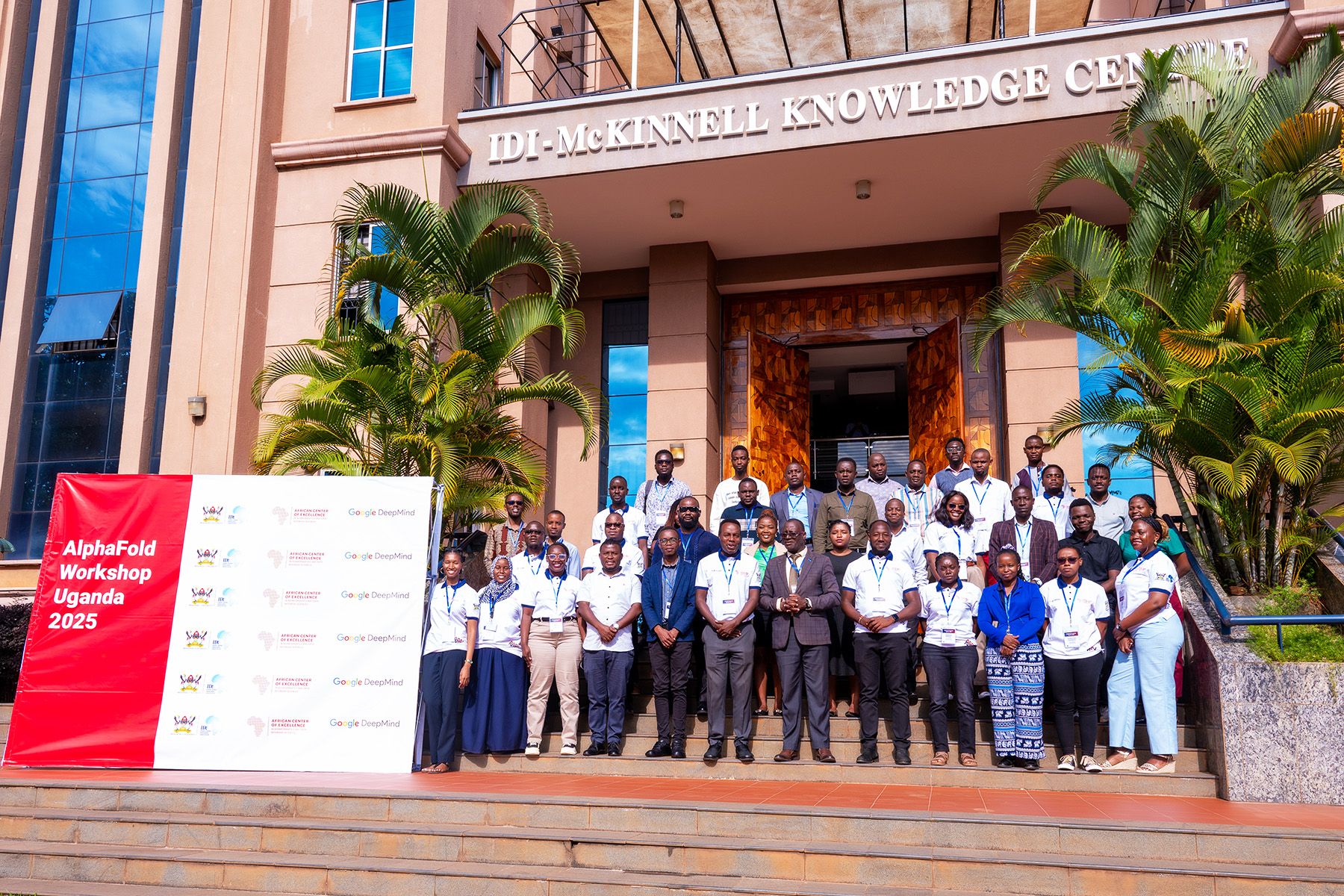
That question was at the center of the AlphaFold Workshop Uganda 2025, where more than 50 researchers, students, and early-career scientists from Uganda, Kenya, Tanzania, and Rwanda gathered at the Infectious Diseases Institute (IDI), Makerere University, to explore how artificial intelligence is transforming biological research.
Hosted by the African Centre of Excellence in Bioinformatics and Data-Intensive Sciences (ACE-Uganda), the five-day workshop introduced participants to AlphaFold, Google DeepMind's groundbreaking AI system that predicts the three-dimensional structure of proteins with remarkable accuracy.
Understanding protein structures has long been one of biology's greatest challenges. These tiny molecular machines drive almost every process in the human body, and knowing their shape is essential for developing medicines, vaccines, and new treatments for disease. Traditionally, determining a protein's structure required expensive equipment and months of laboratory work. AlphaFold has changed that by enabling scientists to generate highly accurate predictions using only a protein's genetic sequence.
For many participants, this represented more than learning a new software tool, it was a glimpse into the future of biomedical research.
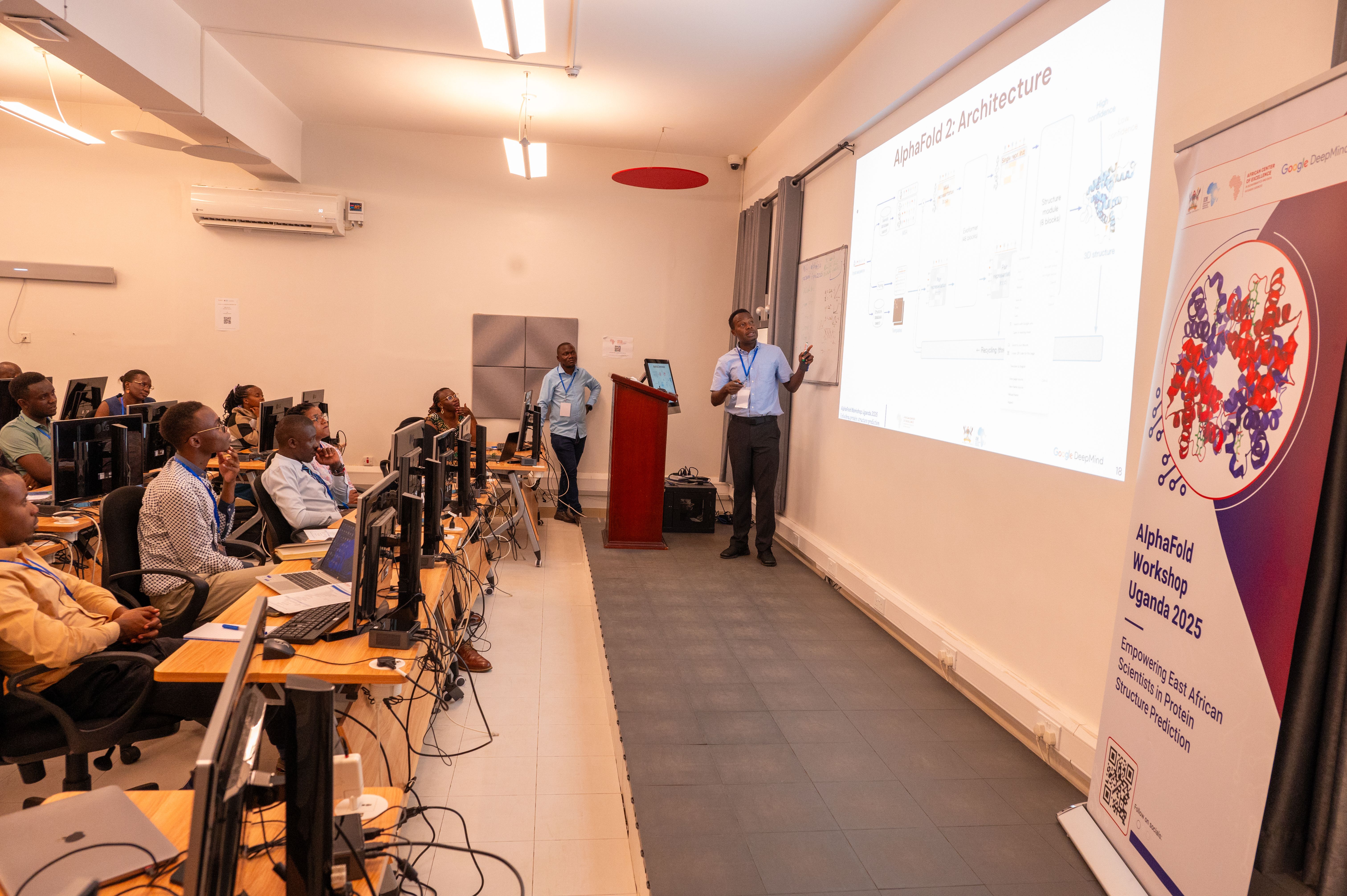
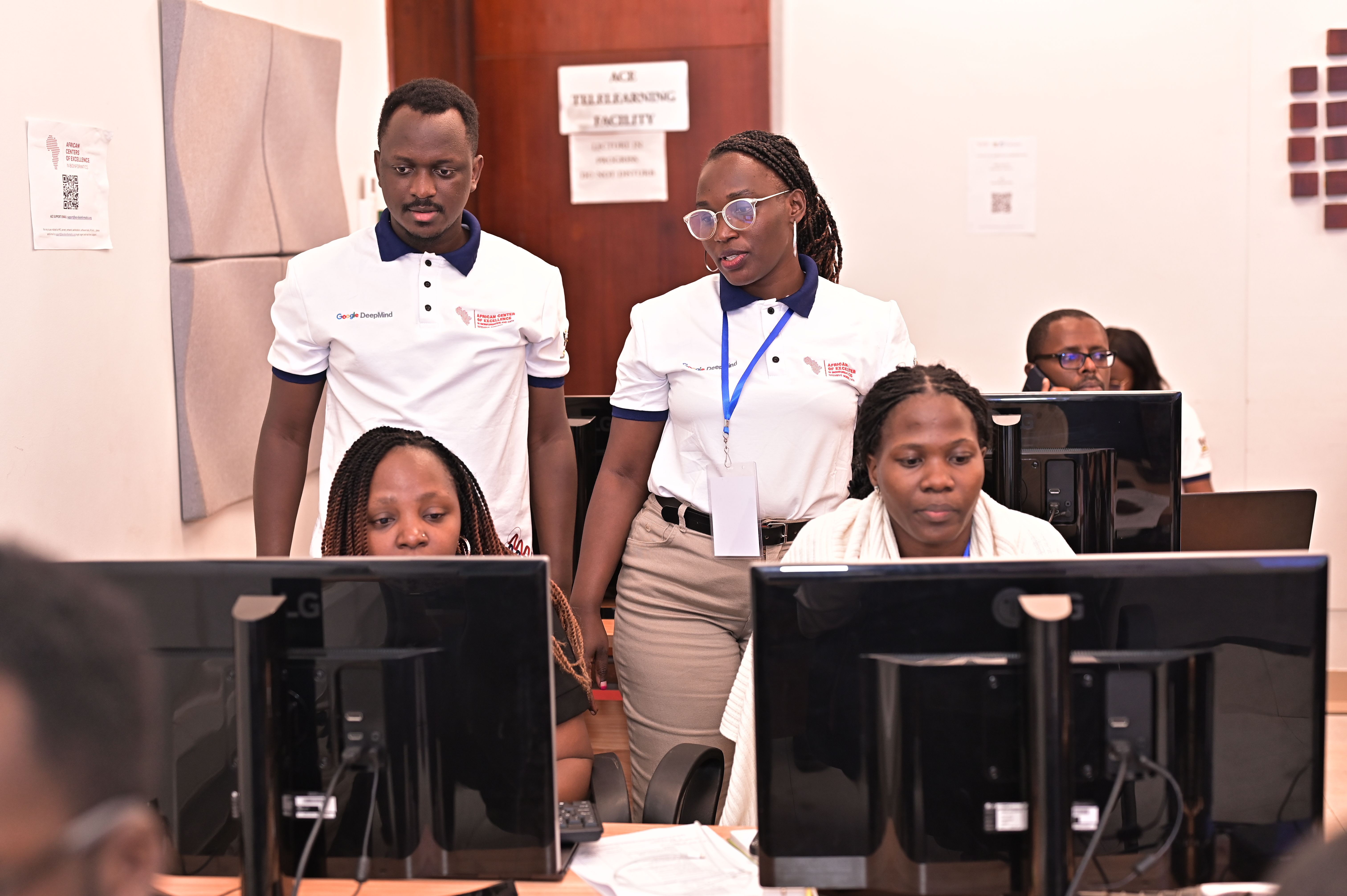
Throughout the week, participants combined lectures with practical sessions, learning how to use AlphaFold to study proteins linked to diseases such as malaria and HIV. They explored how AI can accelerate drug discovery, identify potential vaccine targets, and help researchers better understand the biology of infectious diseases that continue to affect millions across the world.
The workshop also highlighted the growing role of artificial intelligence in science. By giving researchers hands-on experience with cutting-edge technologies, ACE-Uganda is helping ensure that scientists on the continent are not simply users of AI but active contributors to the discoveries it makes possible.
The programme was made possible through the support of Google DeepMind, whose partnership with ACE-Uganda extends beyond providing technology.
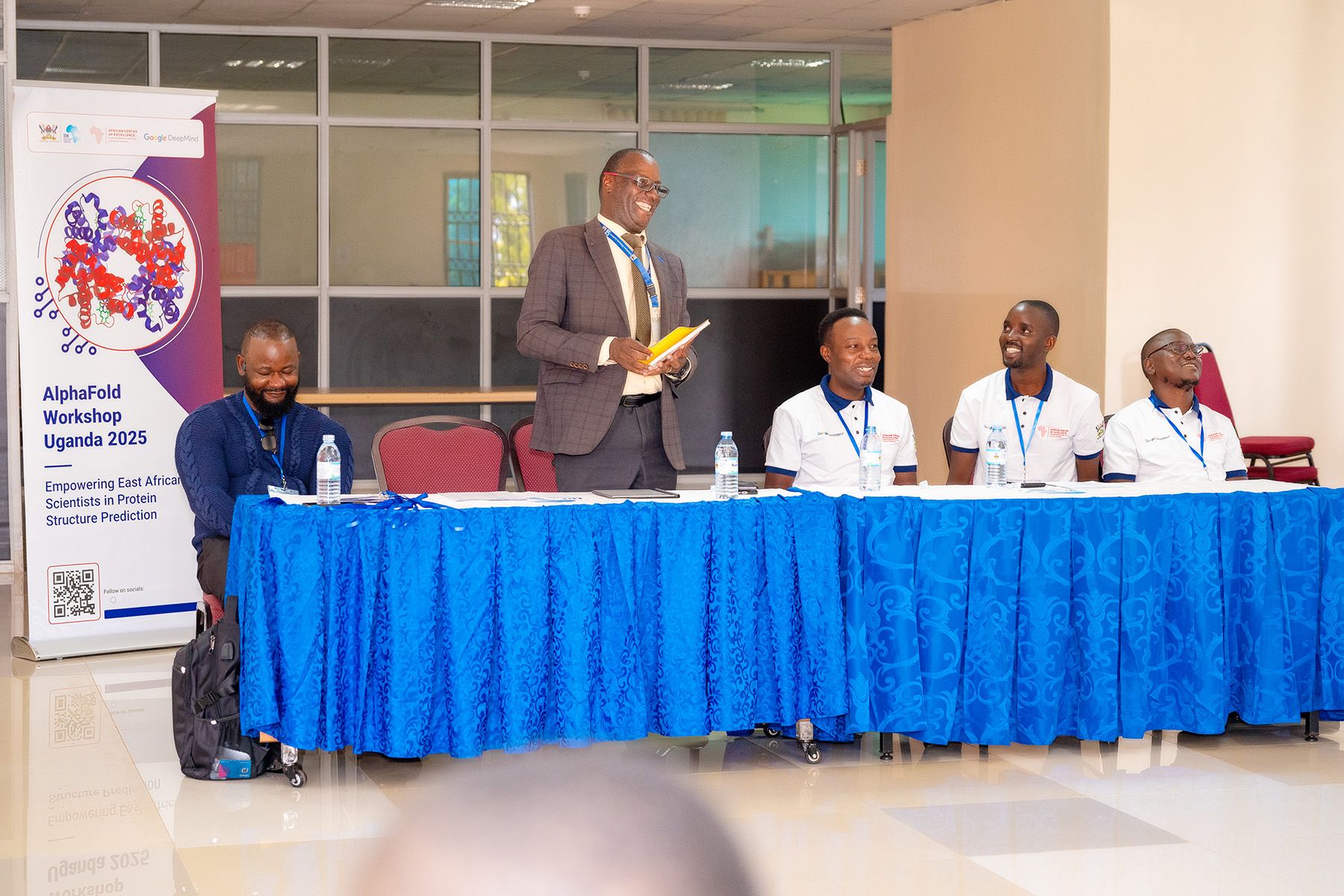
Beyond the technical training, the workshop created opportunities for collaboration. Researchers from across East Africa worked together on shared scientific challenges, exchanged ideas, and began building networks that will continue long after the training ended.
As artificial intelligence reshapes the future of medicine, initiatives like the AlphaFold Workshop are at the forefront of transformation.
For the young scientists who left Kampala at the end of the week, the biggest takeaway was not simply learning how to predict protein structures. It was recognizing that the next breakthrough in drug discovery or disease research could come from an African laboratory, powered by AI, driven by local talent, and focused on solving the continent's own health challenges.
Photos