Insights, updates, and stories from the ACE Uganda team
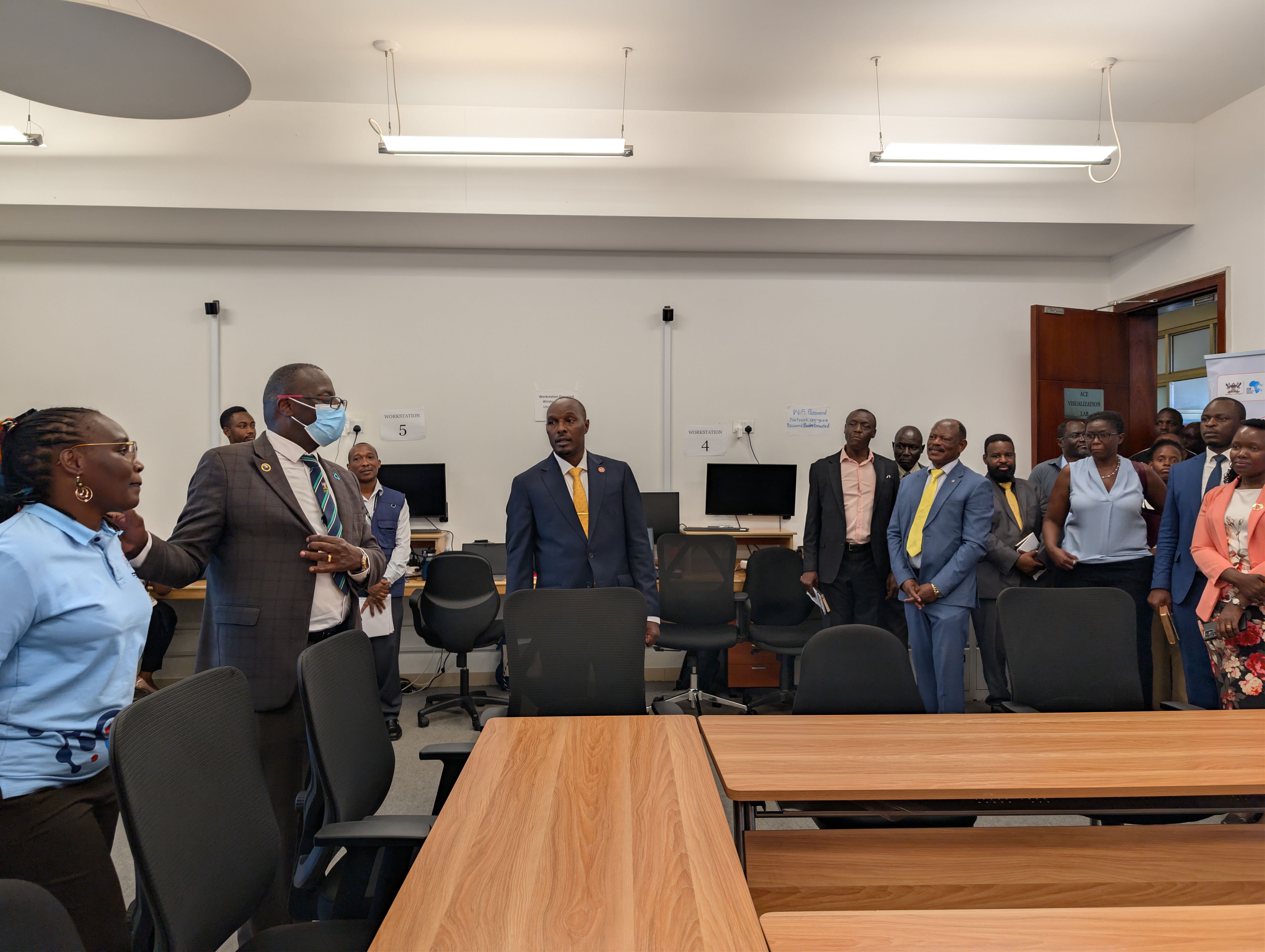
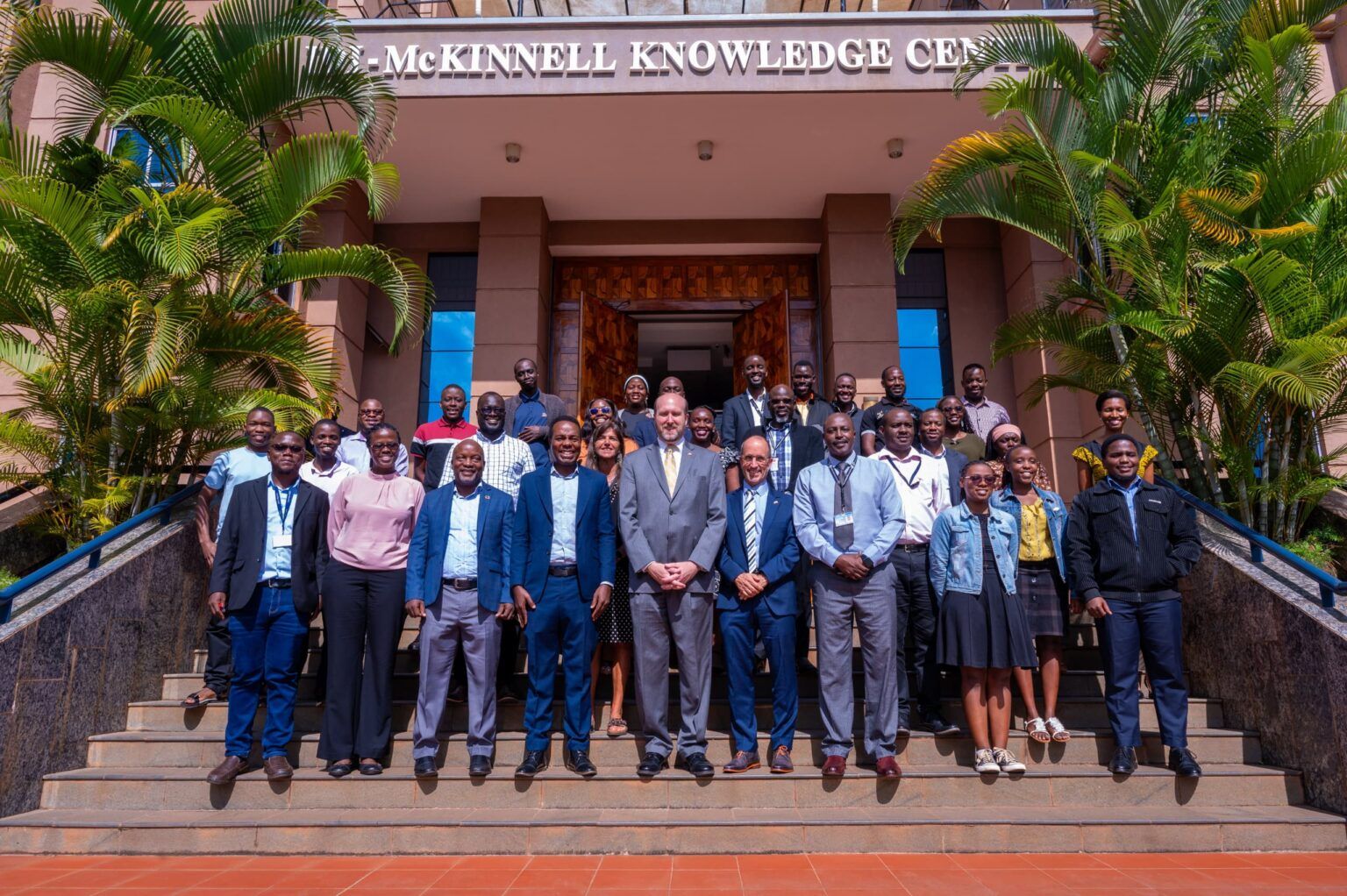
ACE-Uganda extends its gratitude to the Minister and the Vice Chancellor for their visit and continued engagement. The Center remains committed to advancing health outcomes in Africa through bioinformatics, data science, and high-performance computing.
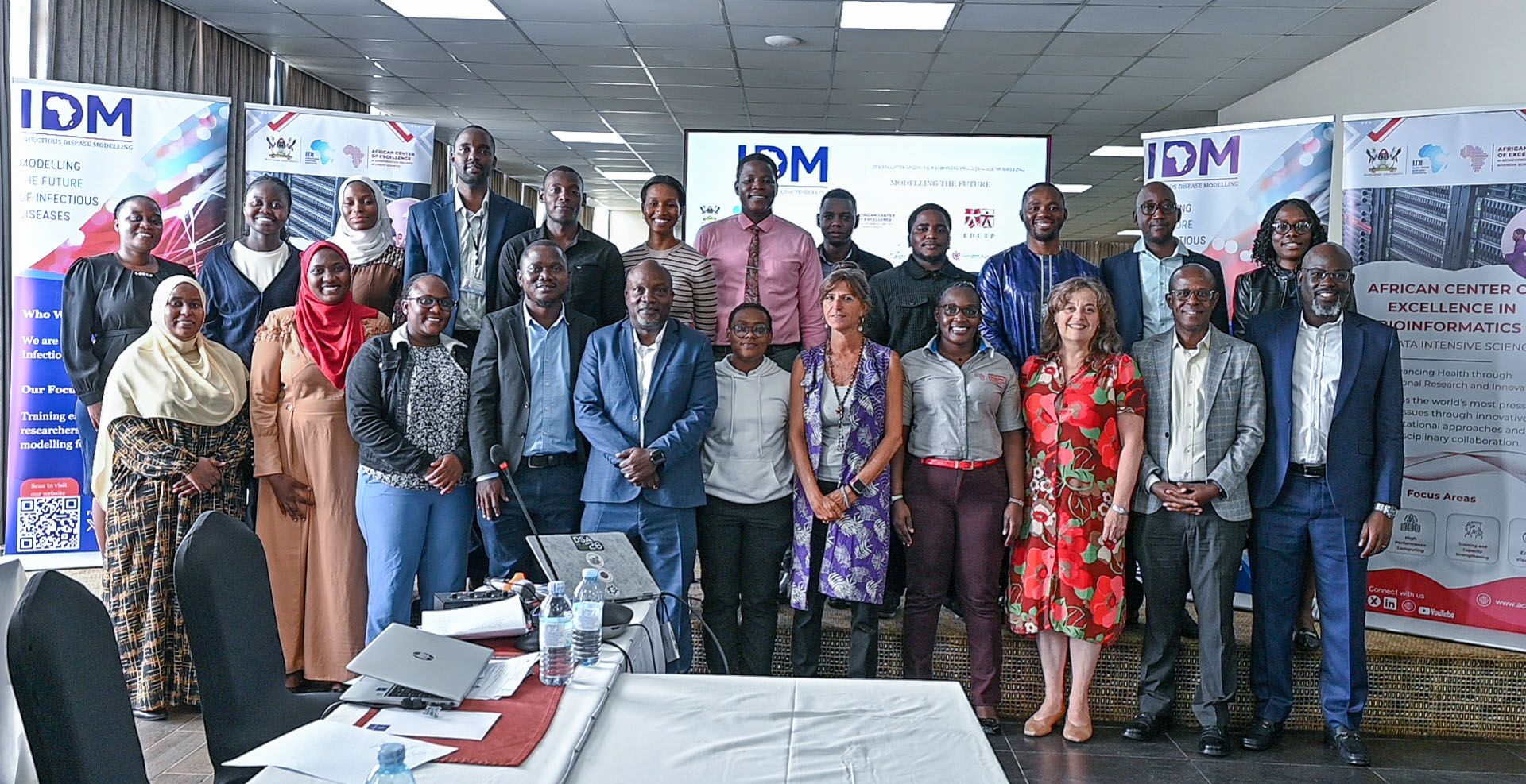
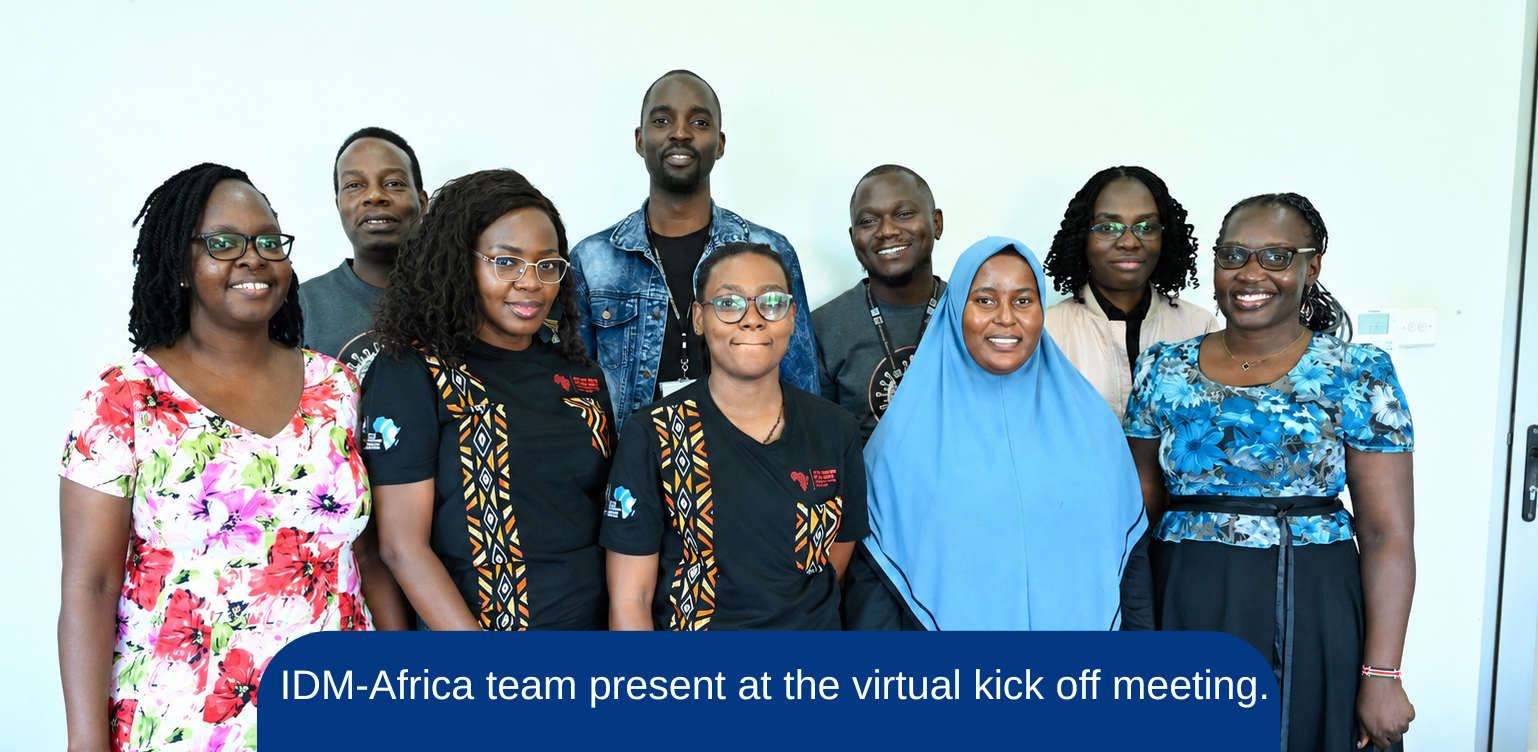
IDM-Africa responds directly to this gap by building modelling capacity where outbreaks happen and routing outputs straight into policy.
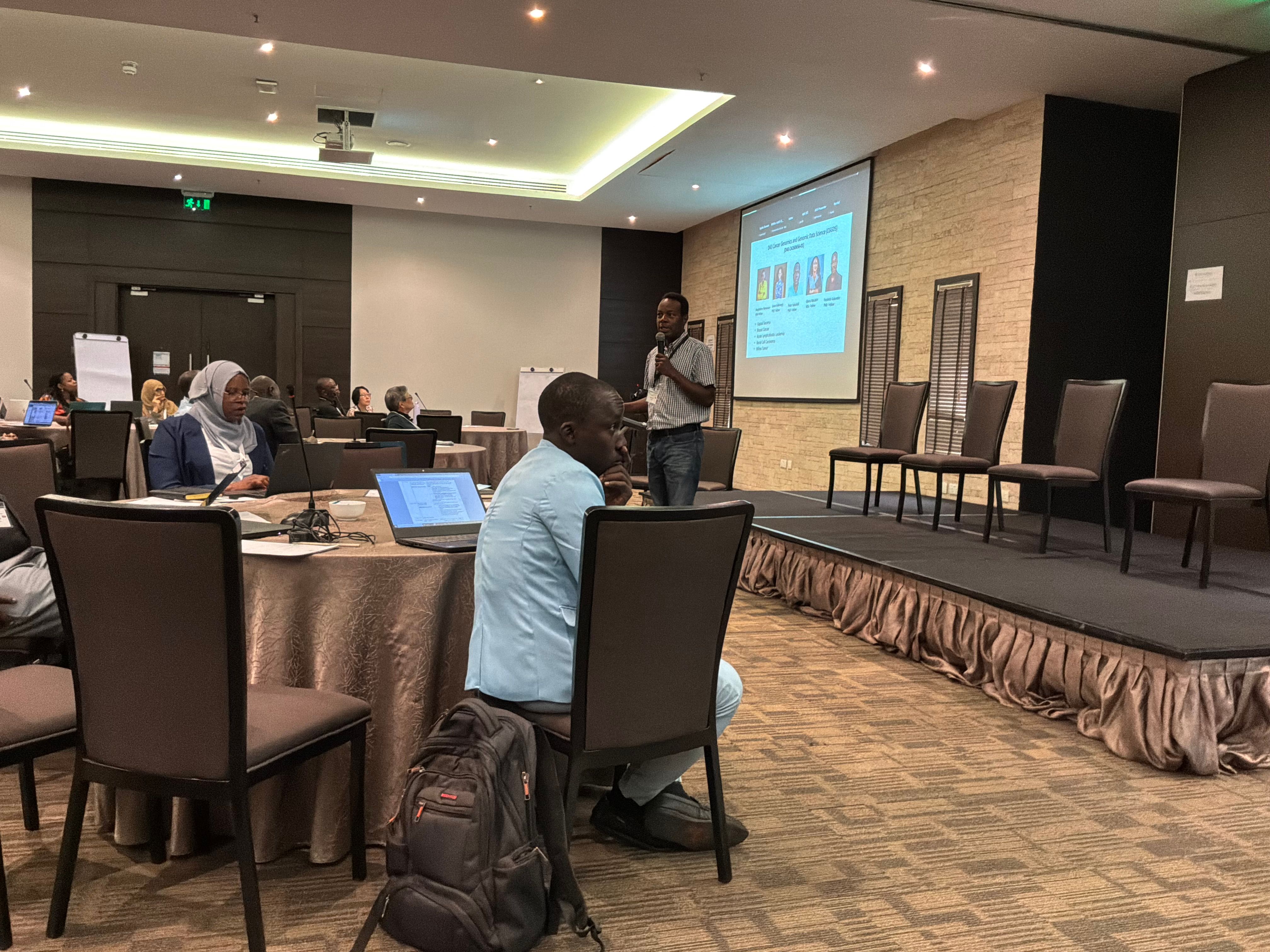
This week, the D43 Cancer Genomics and Genomic Data Science Fellows from the African Center of Excellence in Bioinformatics & Data Intensive Sciences – Uganda (ACE-Uganda), alongside their Principal Investigators Dr. Daudi Jjingo and Dr. Warren Phipps, are attending two major events shaping the future of cancer research on the continent.
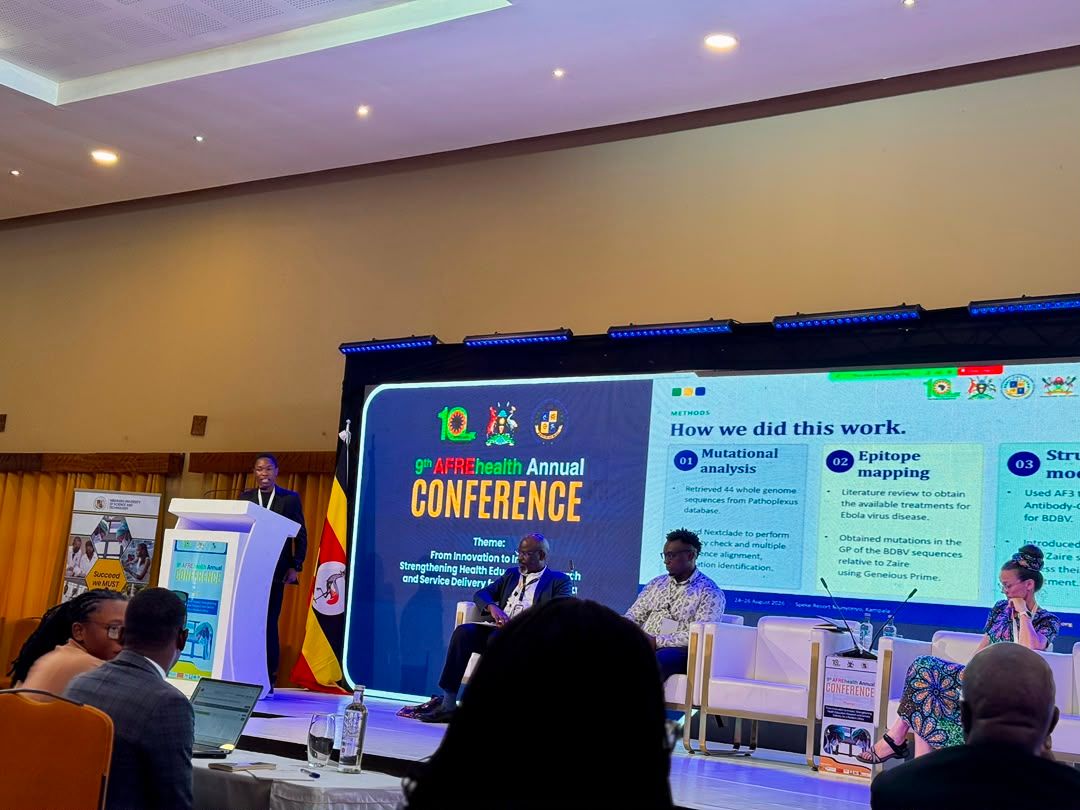
The 2026 Bundibugyo Ebola outbreak in the Democratic Republic of the Congo and Uganda has raised urgent questions about whether existing Ebola treatments can help. There are currently no approved treatments or vaccines specifically for the Bundibugyo strain.
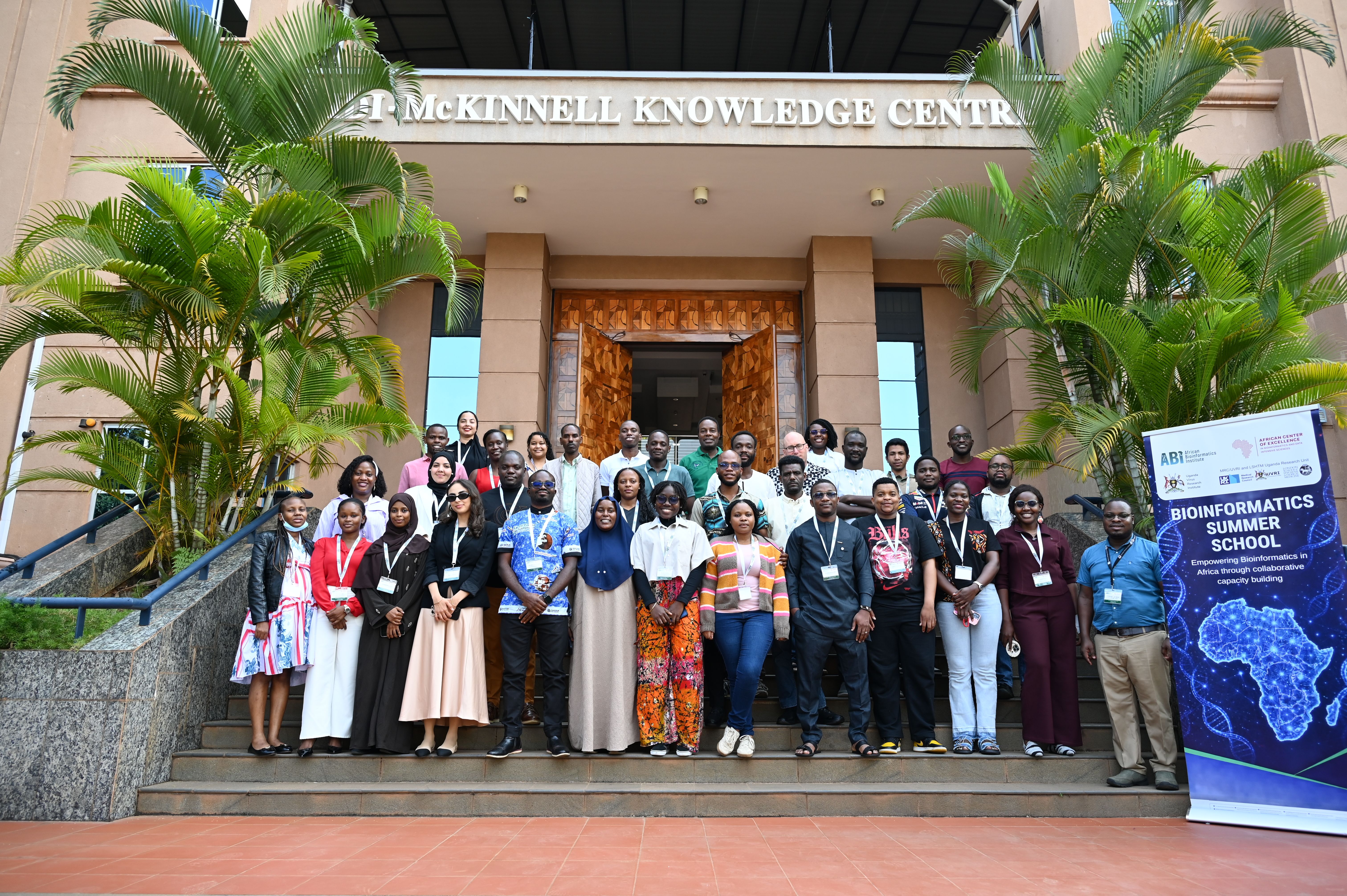
The two-week intensive training programme, which runs from 17th to 28th August 2026, has brought together 30 researchers from across the African continent for hands-on training in practical bioinformatics skills essential for genomic research.
By bringing together regional and international expertise, IDM-Africa represents an important investment in building the scientific capacity needed to ensure that the models shaping infectious disease responses are increasingly developed by researchers who understand the contexts in which those diseases emerge and spread.
Differentiation, integration and mathematical equations often feel disconnected from everyday life, leaving students wondering whether years spent mastering mathematical concepts will ever matter beyond an exam.
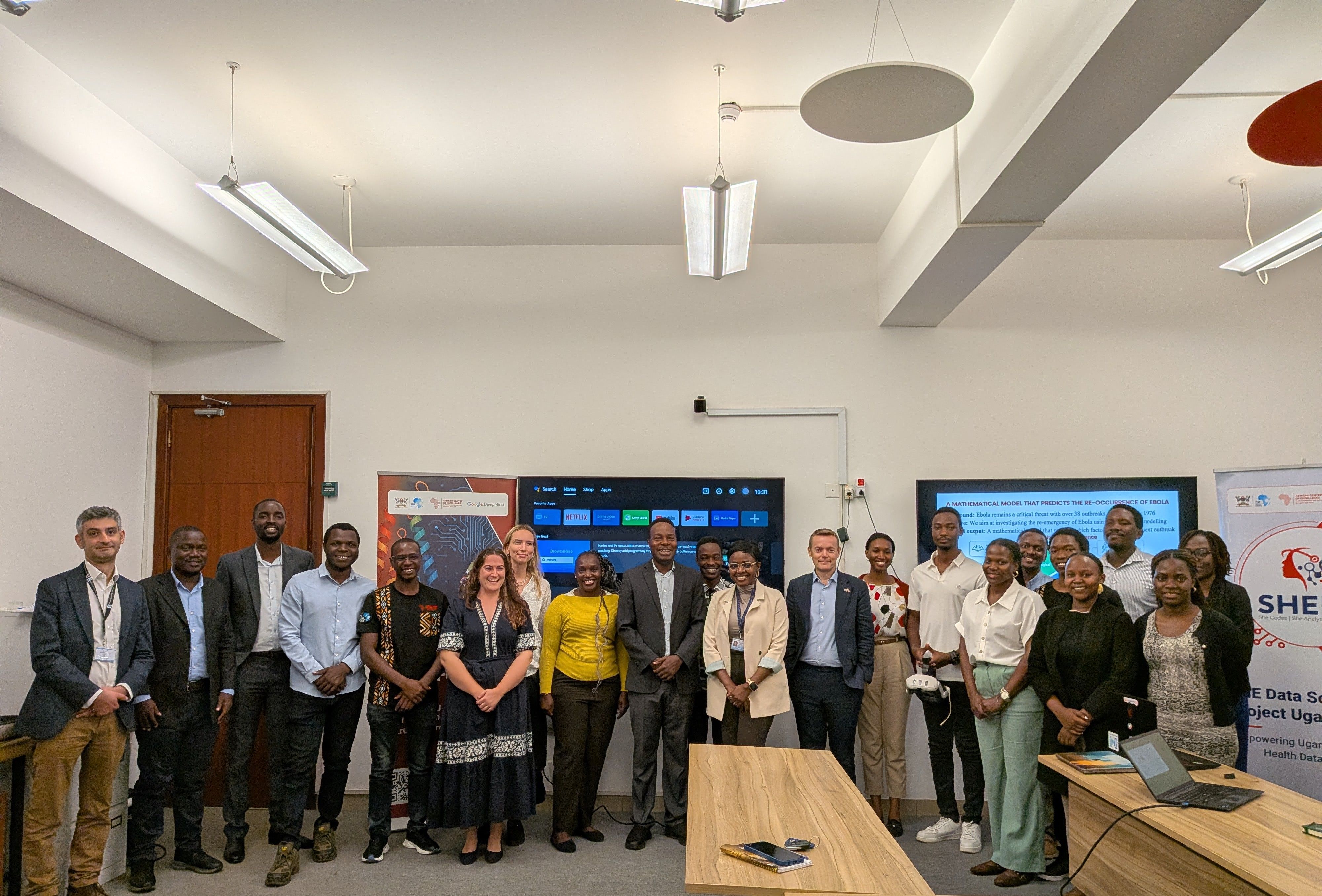
Researchers demonstrated cutting-edge work that is helping answer critical questions about infectious disease outbreaks from understanding how Ebola treatments could work across different virus strains to predicting future outbreaks before they occur.
During the visit, the delegation toured ACE-Uganda's facilities, including the High-Performance Computing (HPC) cluster, the VR Lab, and the Telelearning Facility. They also held discussions with the ACE team to learn more about the Center's training programmes, research projects, and the broader bioinformatics ecosystem in Uganda.
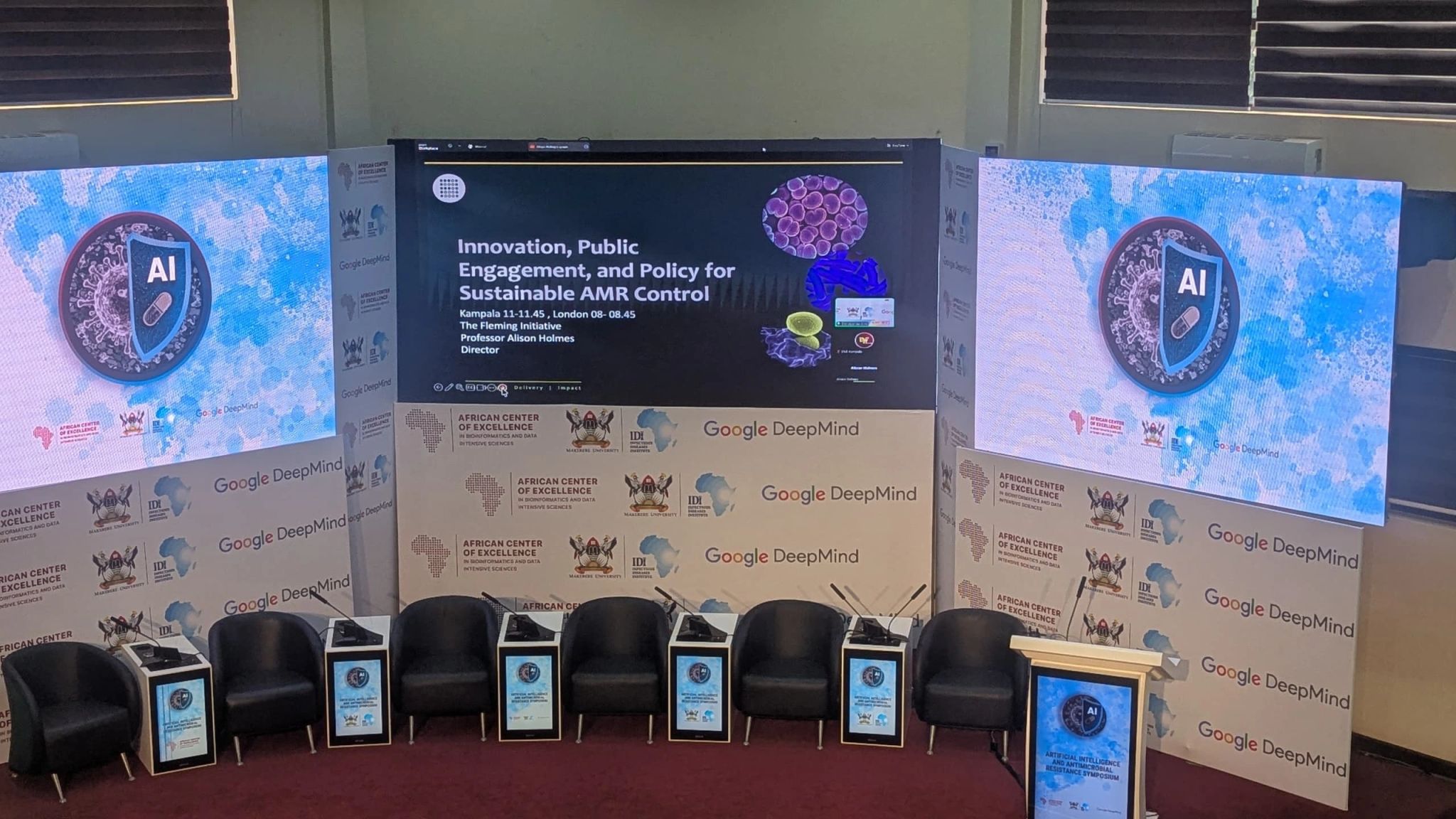
Over two days, researchers, policymakers, students, and global health leaders from over 17 institutions and 10 countries, gathered to explore one of the most urgent questions in modern medicine: How can AI help us stay ahead of the growing threat of antimicrobial resistance?
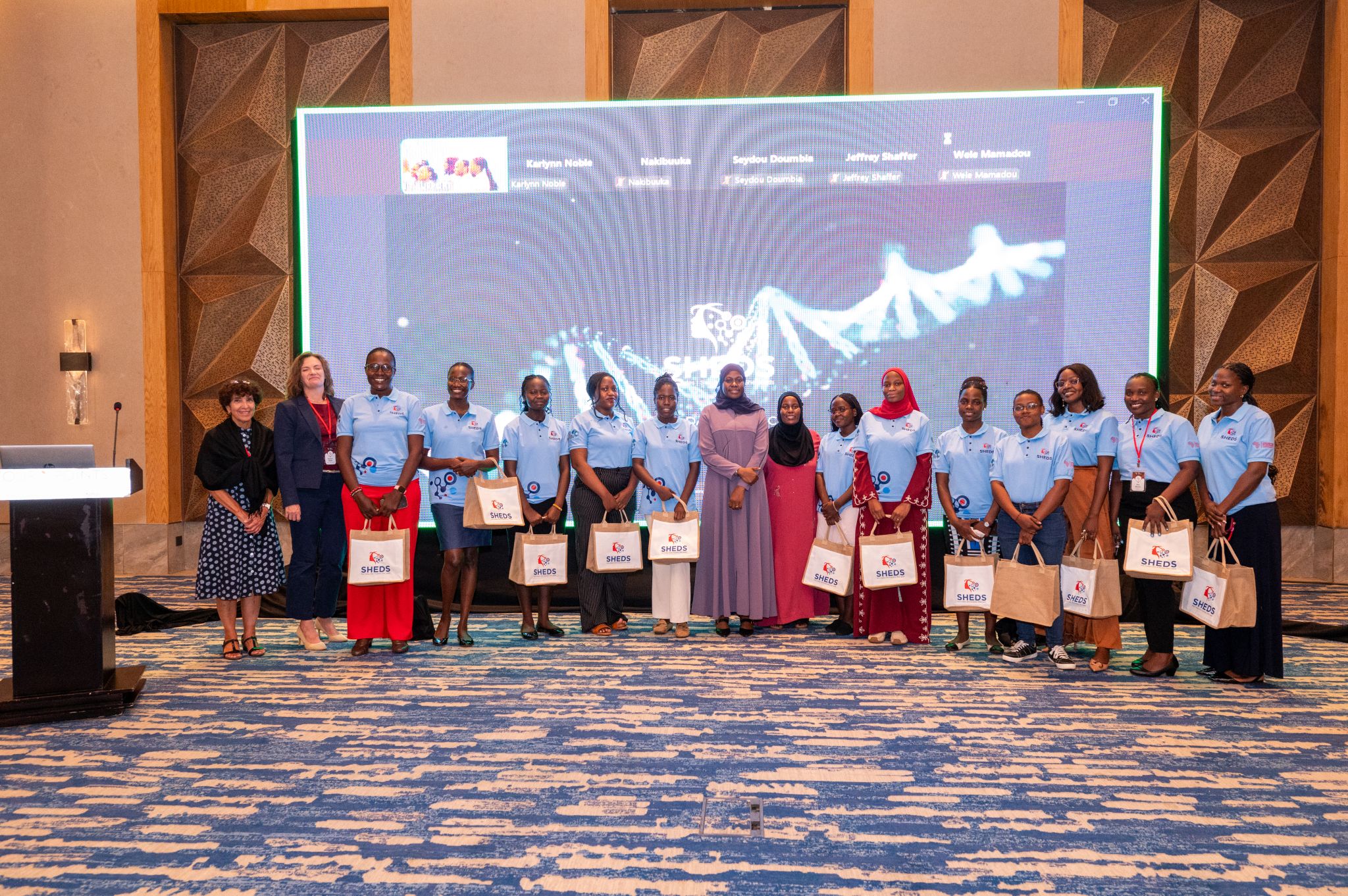
Just a few months ago, they were sitting among the participants, learning the foundations of data science and bioinformatics. This week, they stood confidently at the front of the room, teaching others.
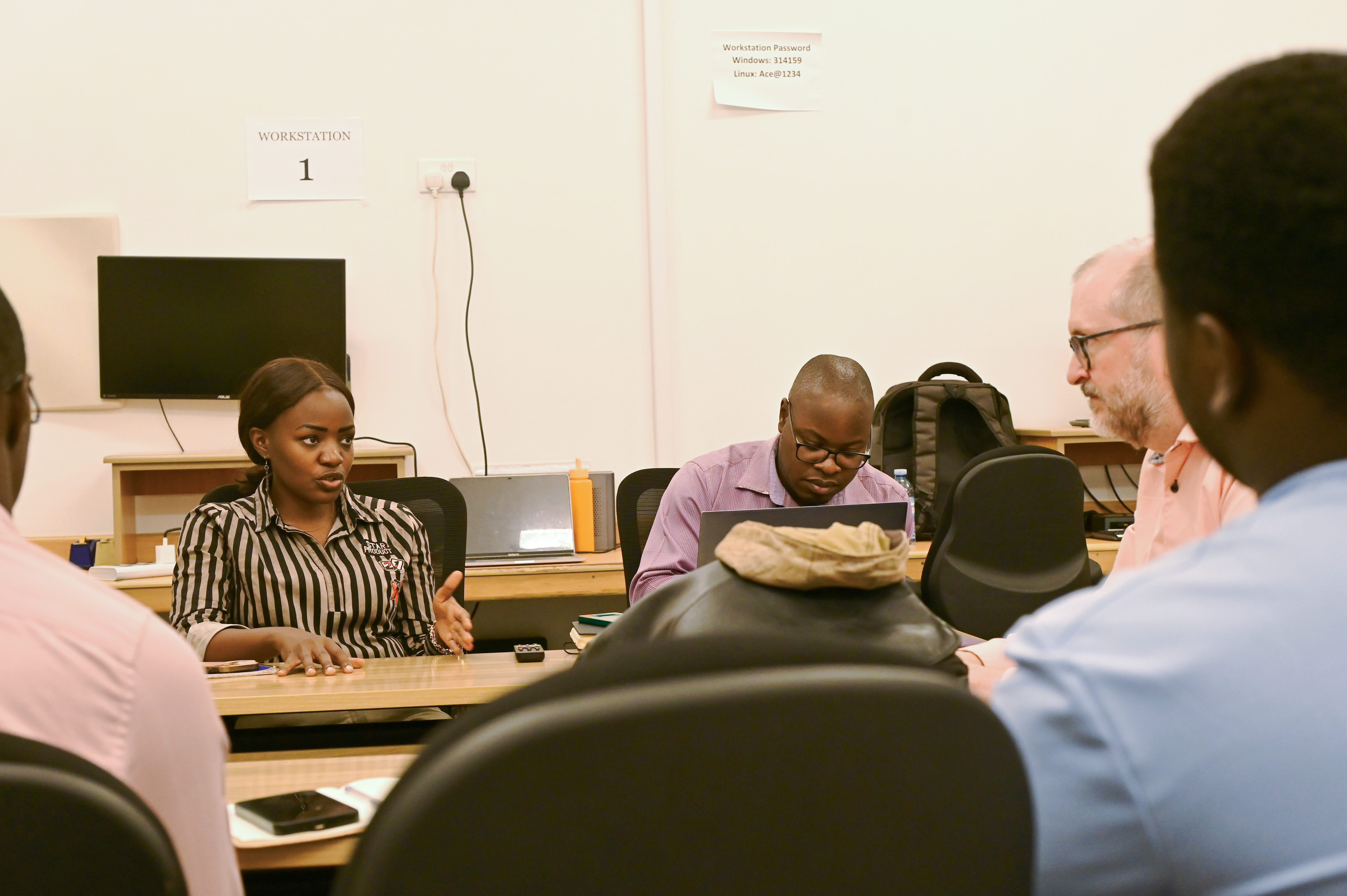
When breakthroughs are made, the spotlight often shines on the scientists behind the discoveries. Yet behind every genomic analysis, disease model, and large-scale dataset is another group of experts whose work makes that science possible; high-performance computing (HPC) systems administrators.
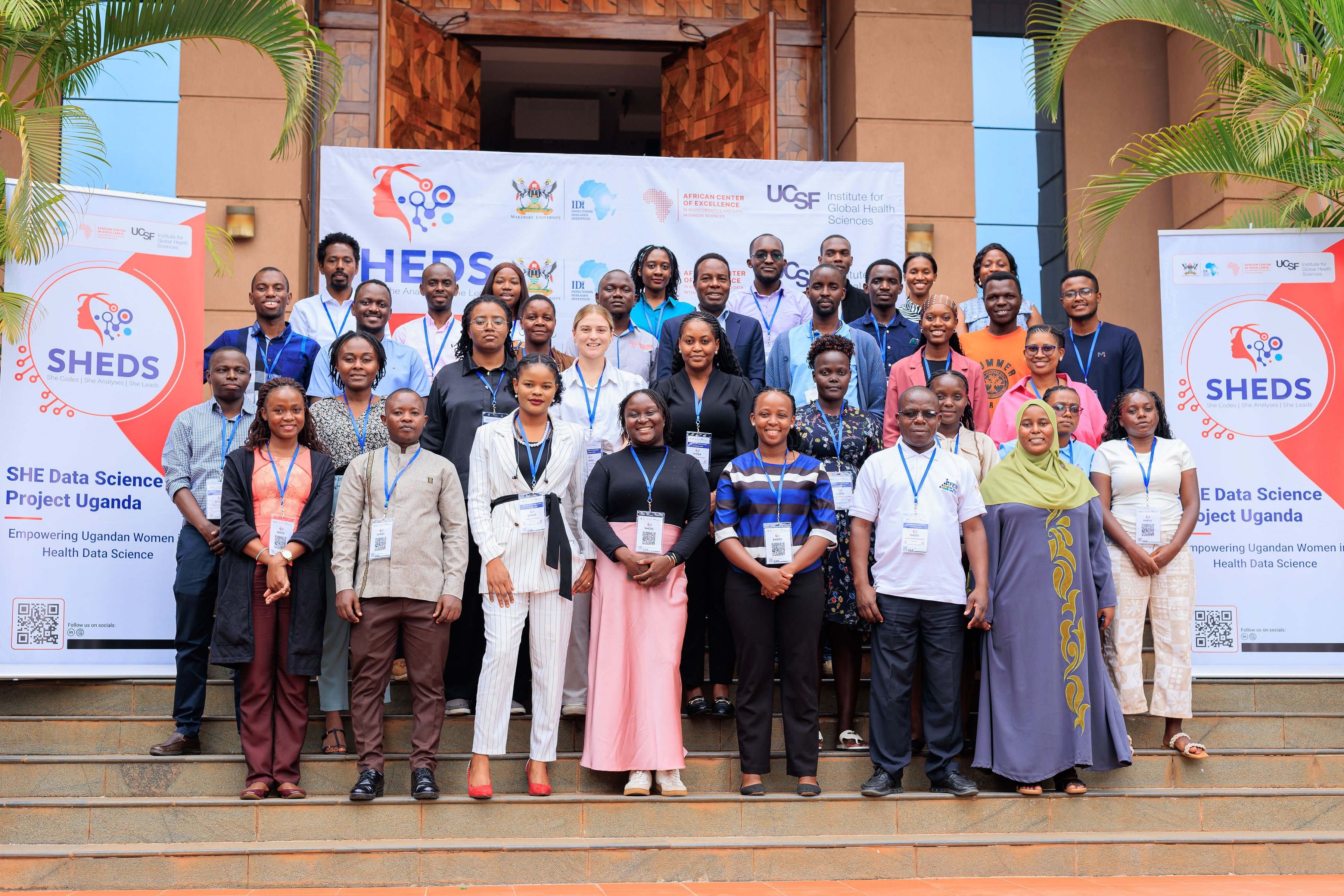
For many young women, the dream of becoming a scientist doesn't end because of a lack of talent; it ends because no one showed them they belonged.
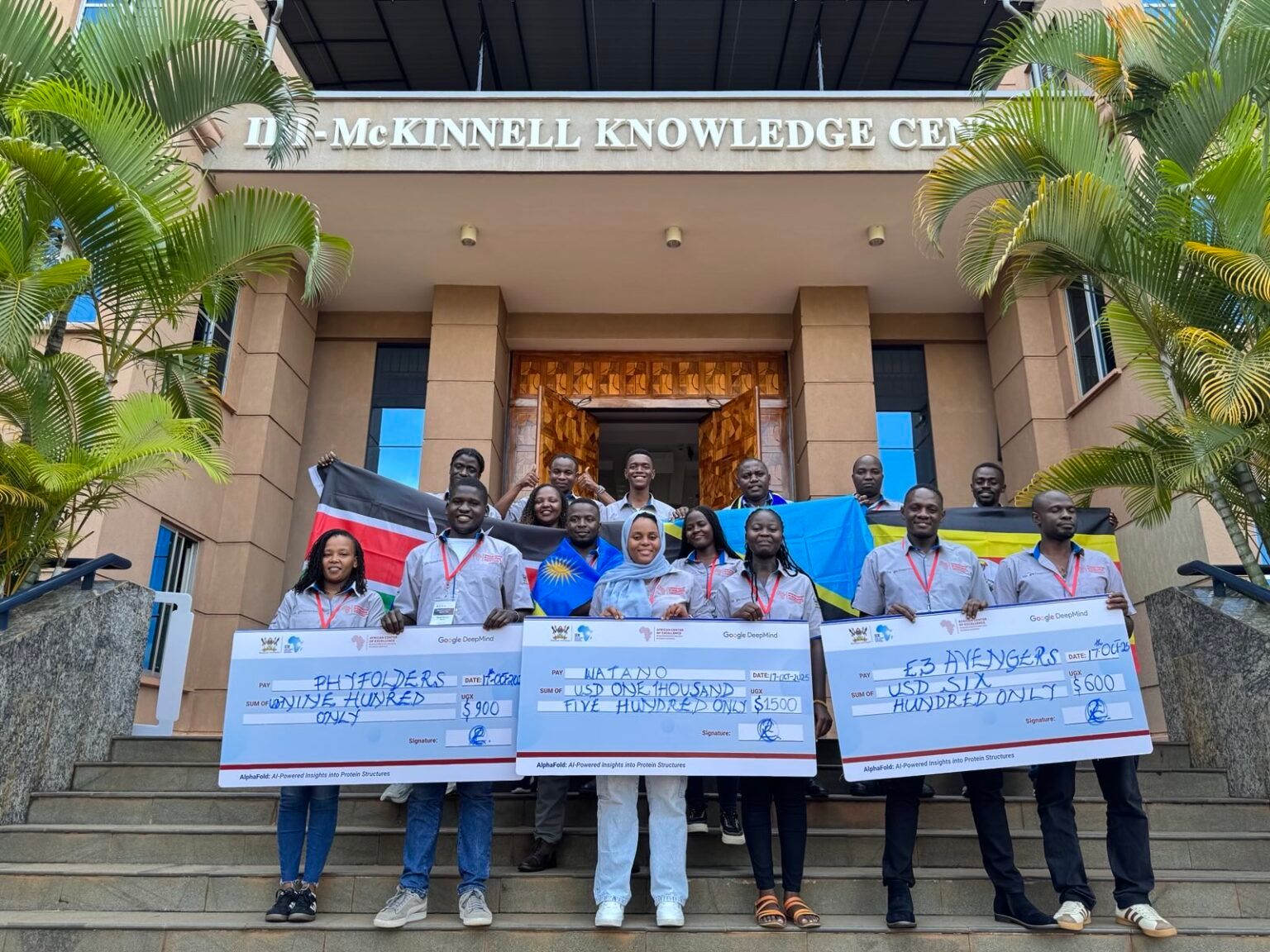
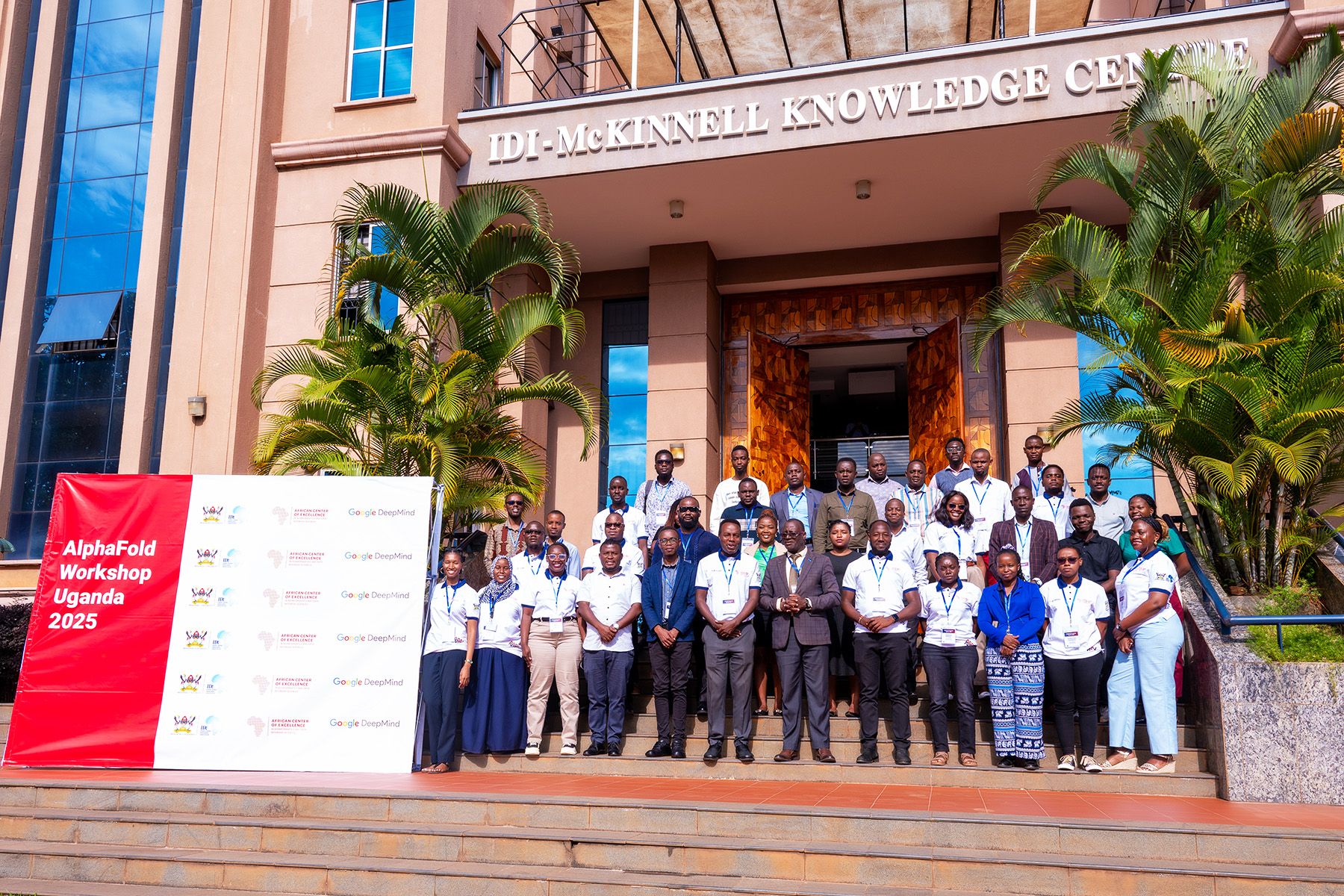
For many young scientists across East Africa, access to cutting-edge artificial intelligence tools has often been out of reach. That is set to change.
But for Africa, there's a challenge: many of the genetic tools used to predict disease risk have been built using data from European populations, making them far less accurate for African communities.
What if a process that once took scientists months or even years; could be completed in a matter of minutes?
Every day, researchers generate vast amounts of health data; from genomic sequences and disease surveillance records to artificial intelligence models. Turning that data into life-saving discoveries, however, requires one critical ingredient: computing power.