Creating Space for Women in Science: ACE-Uganda Unveils SHEDS Initiative
For many young women, the dream of becoming a scientist doesn't end because of a lack of talent; it ends because no one showed them they belonged.
For many young women, the dream of becoming a scientist doesn't end because of a lack of talent; it ends because no one showed them they belonged.
The African Centre of Excellence in Bioinformatics and Data Intensive Sciences (ACE-Uganda) hopes to change that.
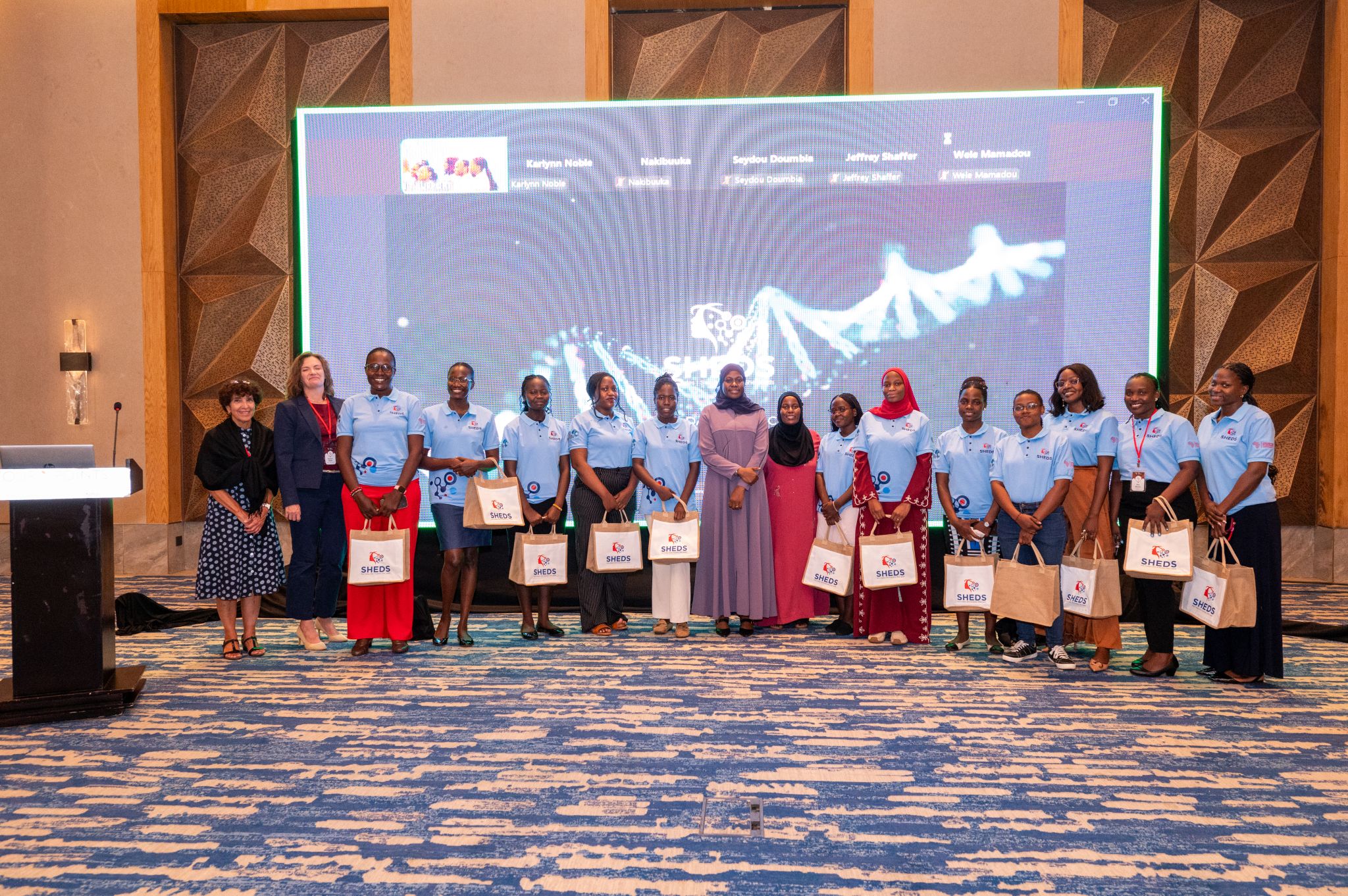
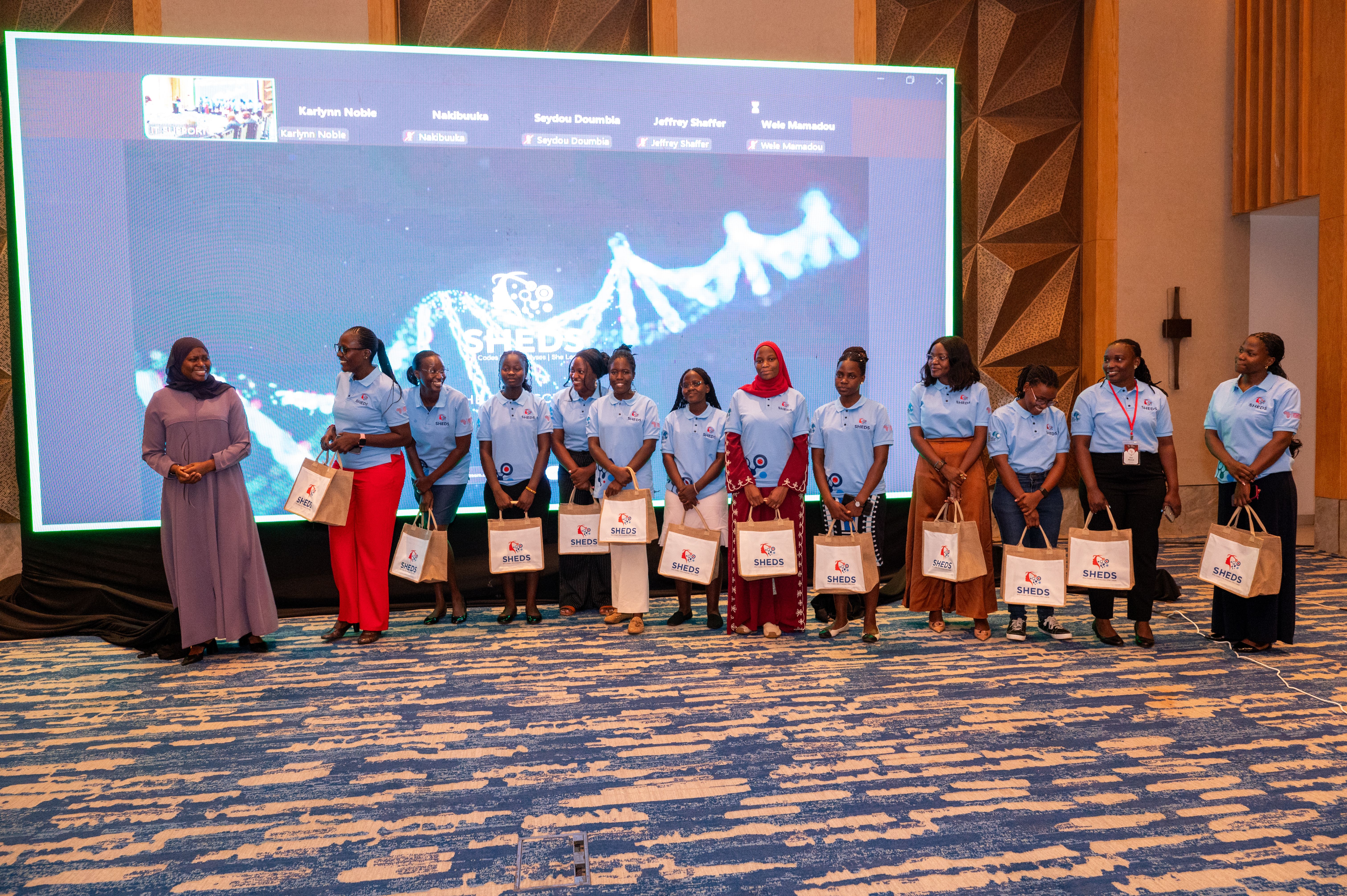
At the 2025 ACE Consortium Meeting in Kampala, the Centre officially launched SHEDS (She Data Science), a groundbreaking initiative designed to equip more women with the skills, mentorship, and opportunities needed to thrive in bioinformatics, artificial intelligence, and data science.
The project was launched by Uganda's Permanent Secretary for Information Technology and National Guidance, Dr. Amina Zawedde, whose own journey in technology has made her one of the country's strongest advocates for women in STEM.
Speaking at the launch, Dr. Zawedde reflected on her early career, when she was often the only woman in technology spaces. While acknowledging the progress made over the years, she noted that women remain significantly underrepresented in data science and AI—fields that are increasingly shaping the future of healthcare, agriculture, education, and economic development.
"We cannot afford to leave half our population behind," she said, calling on institutions to create opportunities that enable women to participate fully in the digital economy.
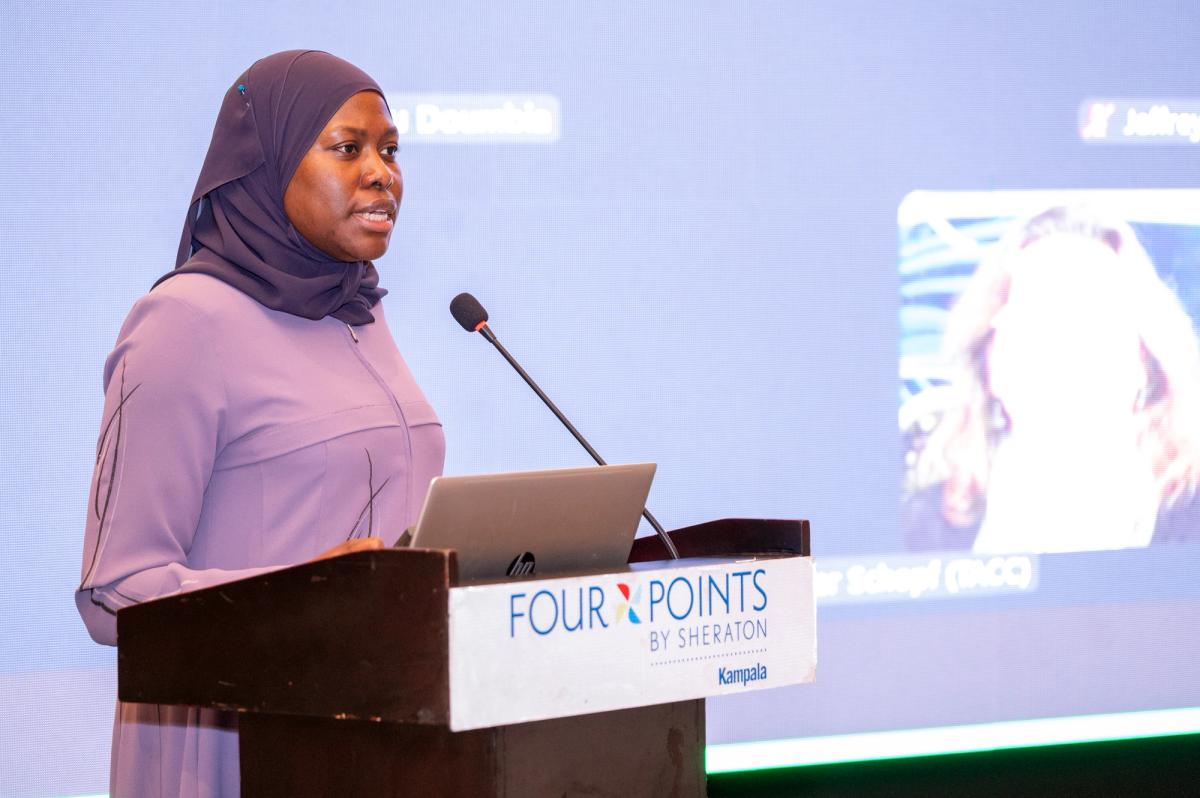
Uganda's Permanent Secretary for Information Technology and National Guidance, Dr. Amina Zawedde
Her message resonated with one of SHEDS' central goals: ensuring that more young women see careers in data science not as impossible dreams, but as achievable pathways to solving some of Africa's biggest challenges.
Building confidence and careers
SHEDS is designed to support women throughout their journey in science.
The initiative will introduce and support women with training and peer networks and create pathways into research and industry through internships and professional development.
By addressing the barriers women face at different stages of their education and careers, ACE-Uganda hopes to strengthen the channel of female scientists working in fields that are becoming increasingly important for Africa's future.
Why representation matters
Data science and artificial intelligence are transforming the way researchers tackle complex health challenges; from predicting disease outbreaks and analysing genomes to improving healthcare systems.
The people designing algorithms and analysing data influence the solutions those technologies produce. When women are absent from those conversations, valuable perspectives are lost, increasing the risk of systems that fail to serve everyone equally.
Creating more opportunities for women in STEM, is therefore not only a matter of equality but also of better science, stronger innovation, and more inclusive development.
The launch of SHEDS also signals ACE-Uganda's long-term commitment to building scientific capacity across the region.
The Centre plans to work closely with universities, research institutions, and industry partners to ensure that women receive the mentorship, technical skills, and professional opportunities needed to succeed in fast-growing fields such as bioinformatics, artificial intelligence, and computational biology.
As stakeholders gathered for the launch, one message stood out: Africa's future in science cannot be built by only half of its talent.
For every young woman encouraged to pursue data science, every student paired with a mentor, and every researcher given the opportunity to lead, SHEDS represents more than a programme; it represents a shift in what is possible.
By investing in women today, ACE-Uganda is helping build a future where the continent’ next breakthroughs in health, technology, and innovation are shaped by diverse voices, bold ideas, and equal opportunity.
Photos