IDM-Africa Project Launched; Building a Strategic Hub for Infectious Disease Modelling Workforce.

Elizabeth Basemera
Communications Assistant
IDM-Africa responds directly to this gap by building modelling capacity where outbreaks happen and routing outputs straight into policy.
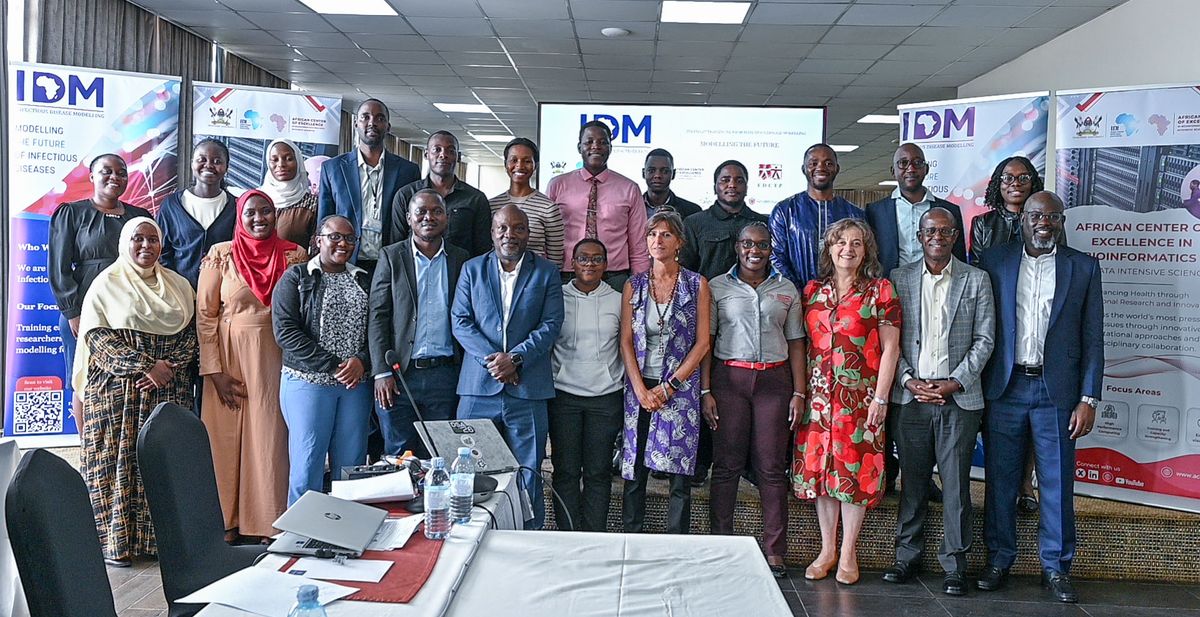
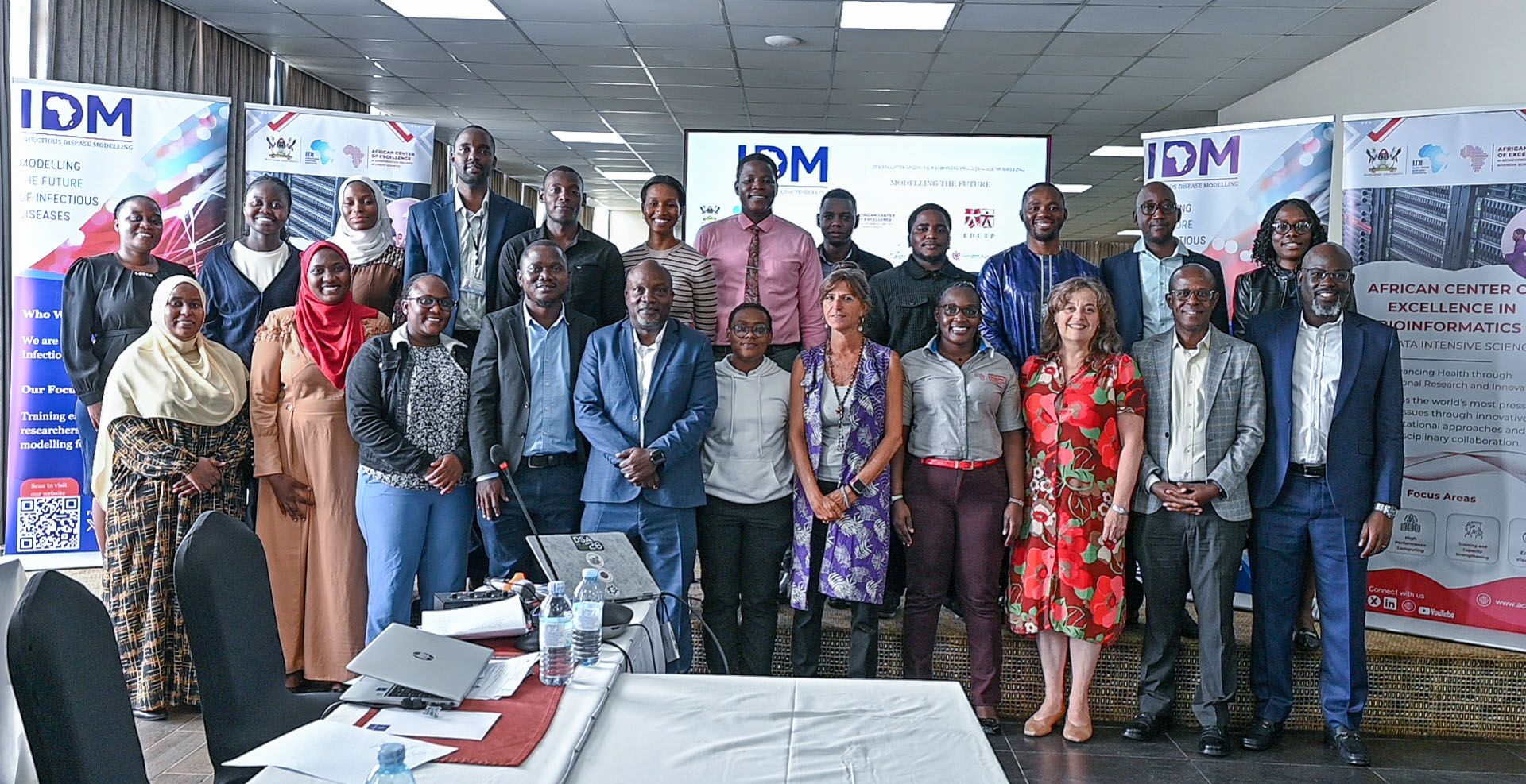
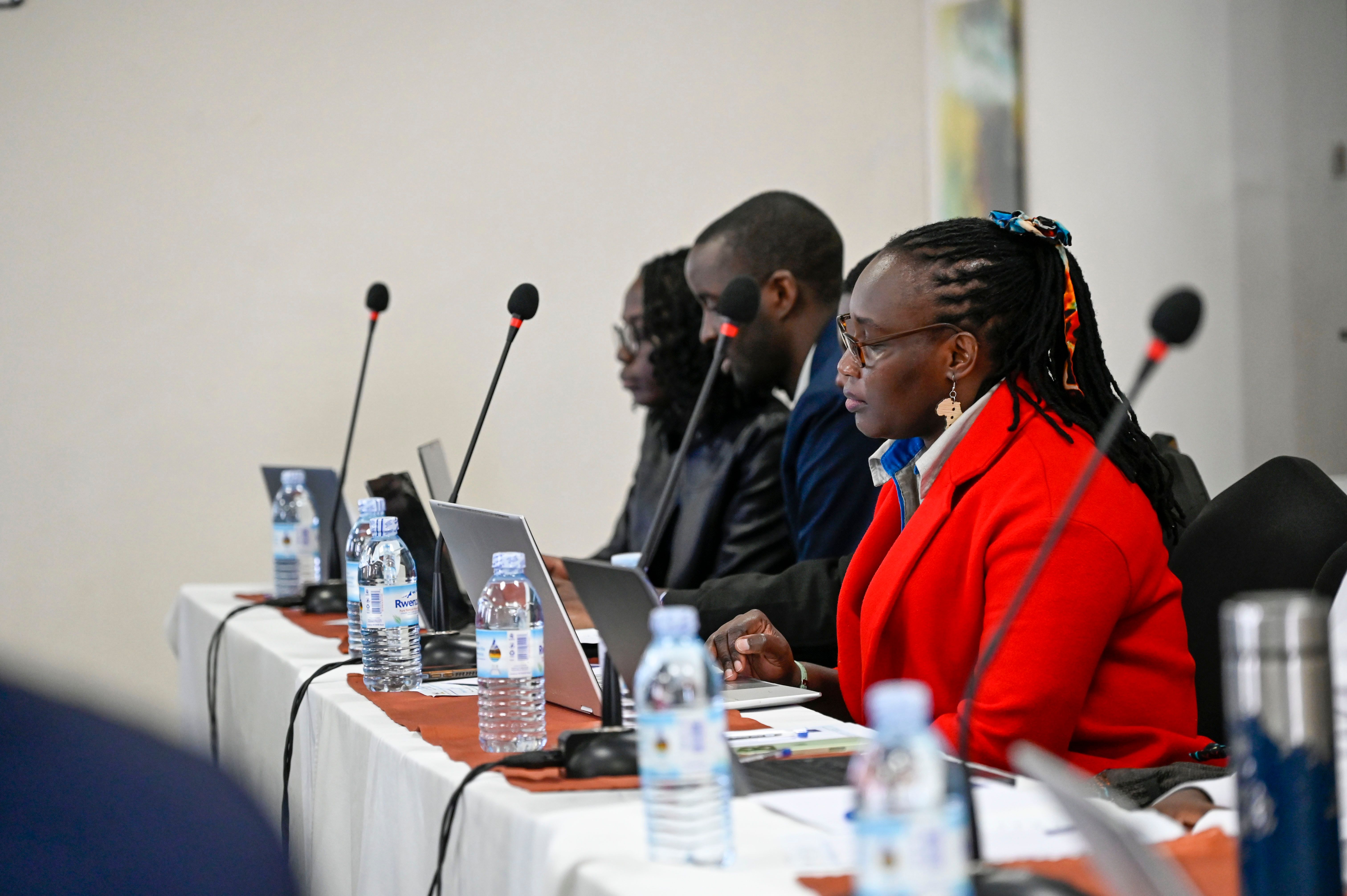
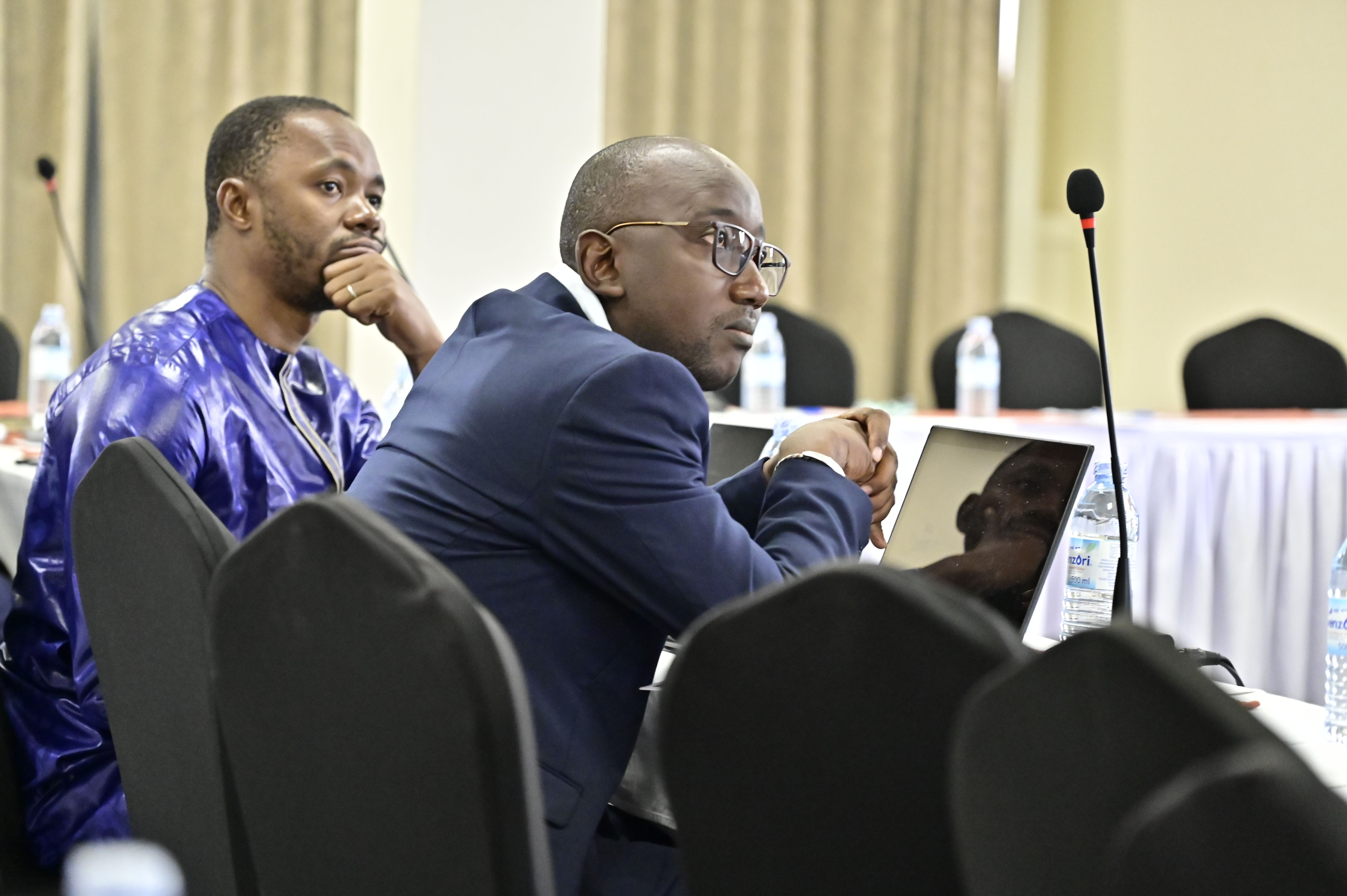
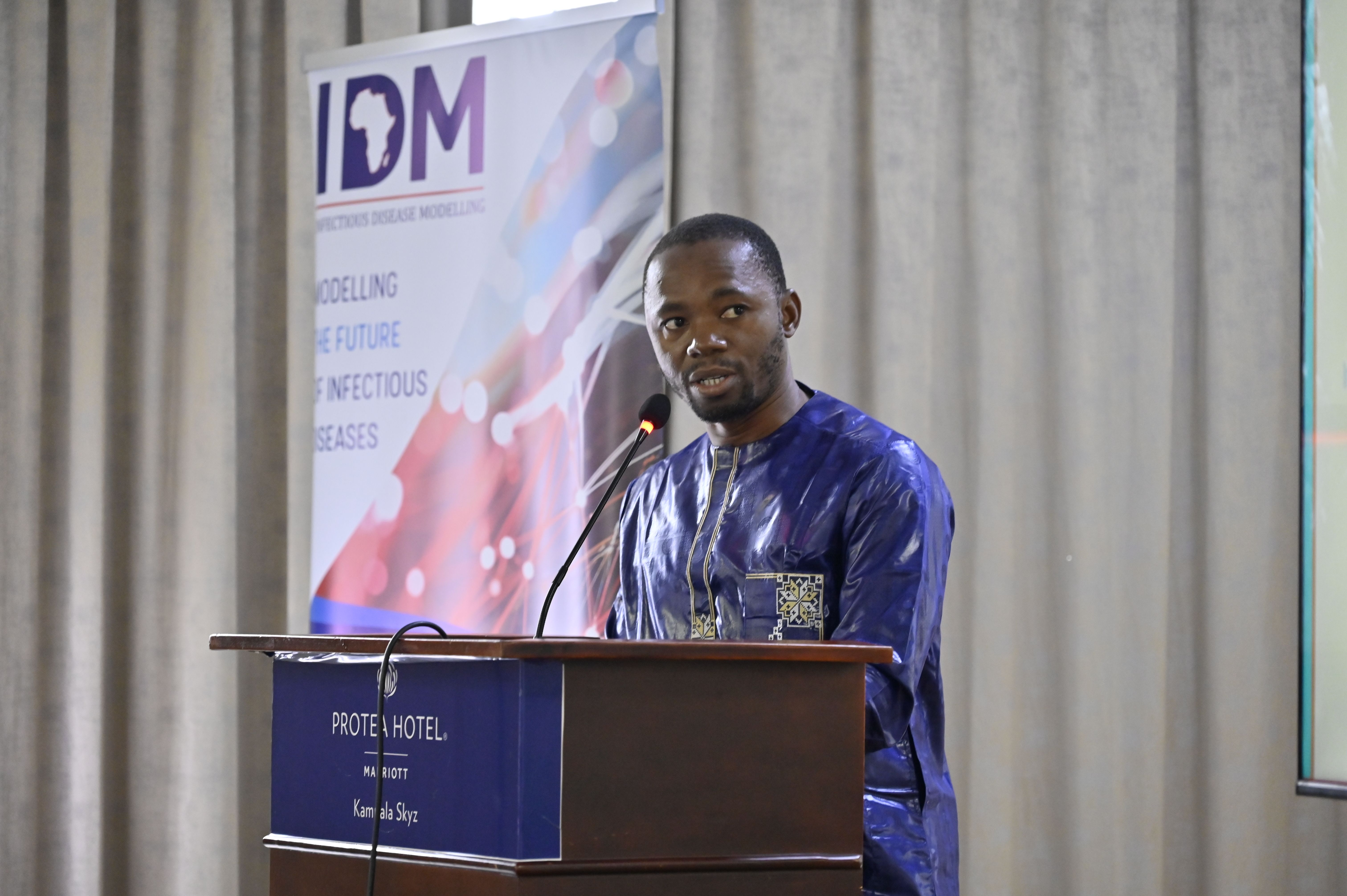
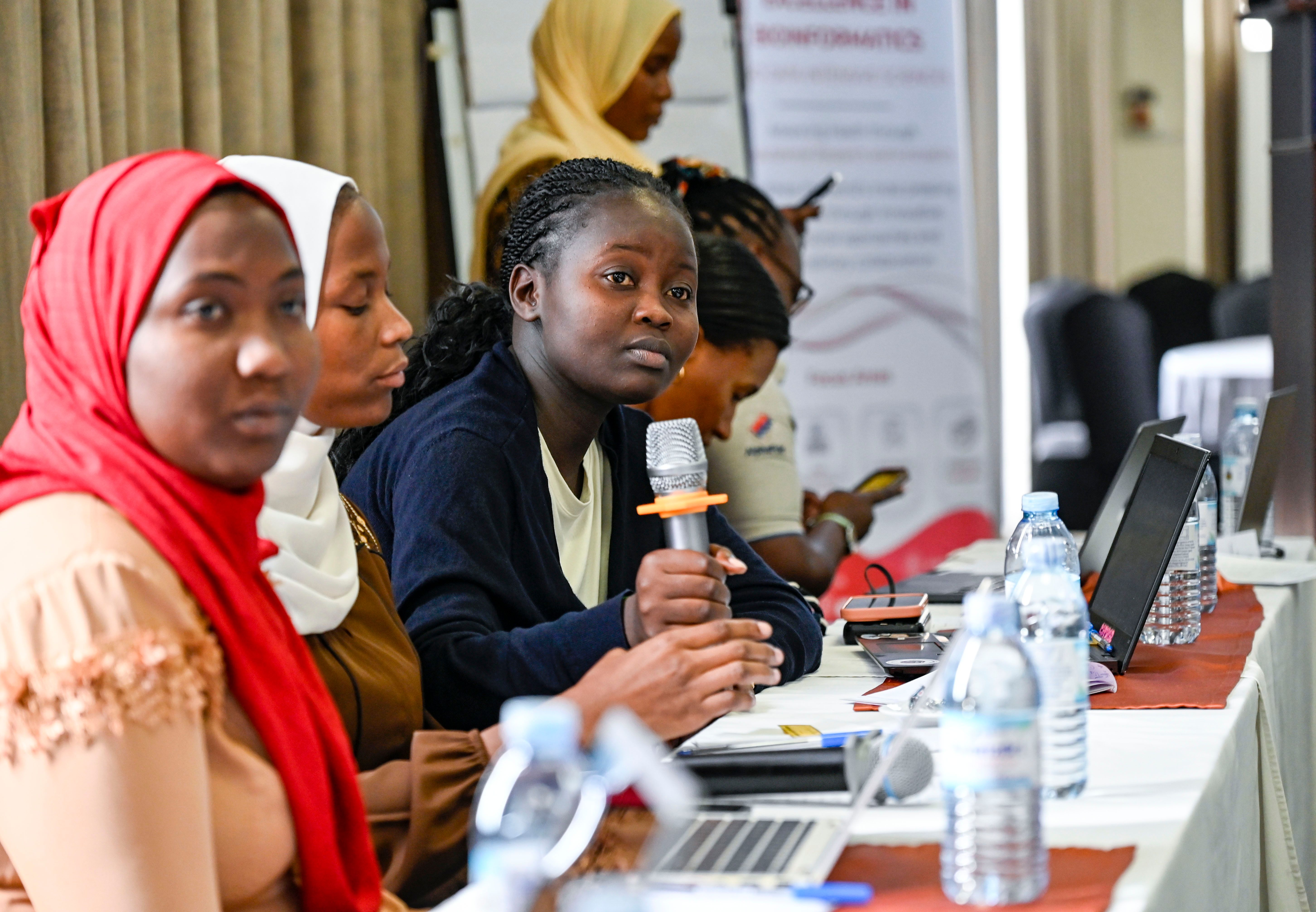
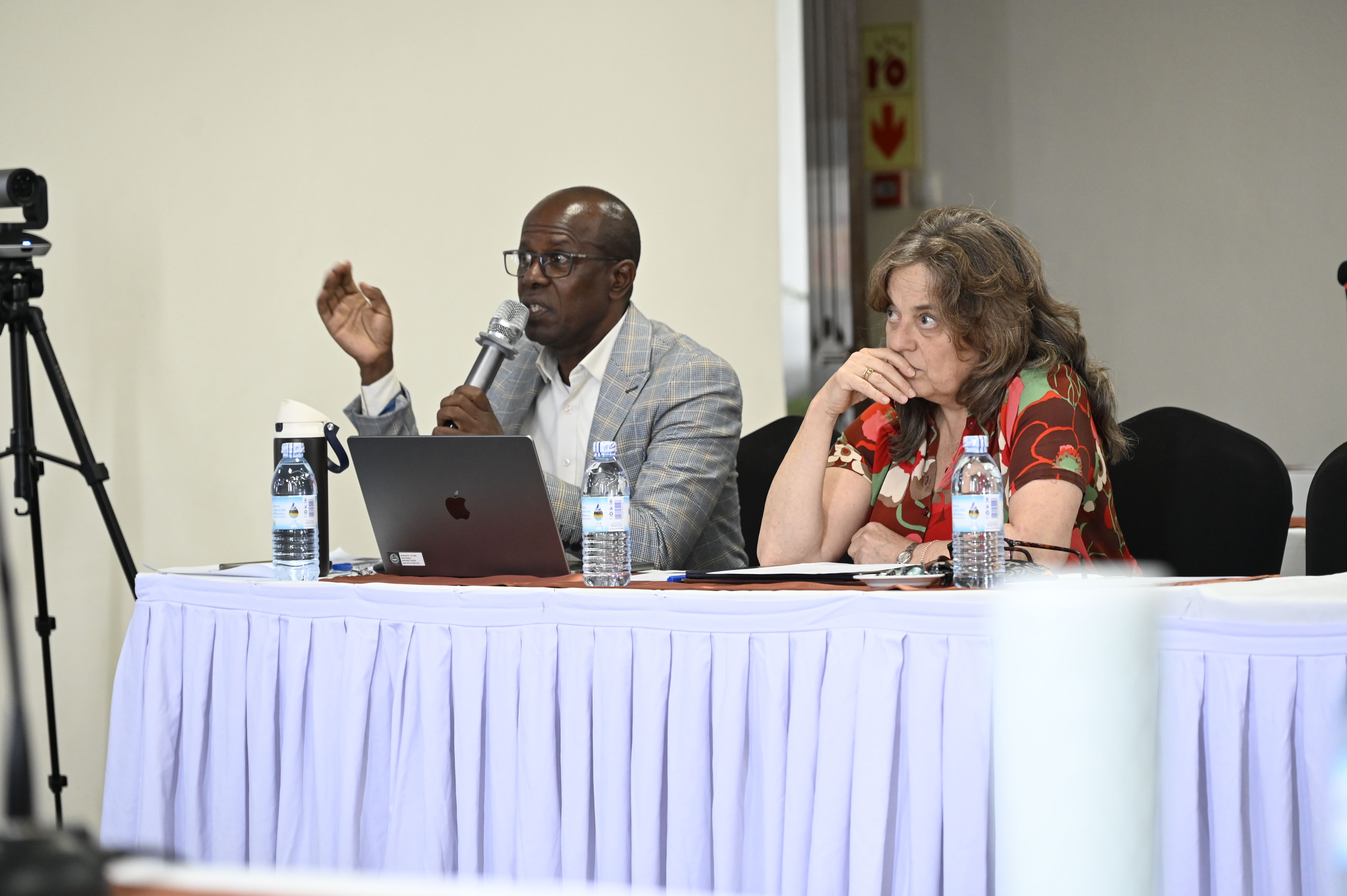
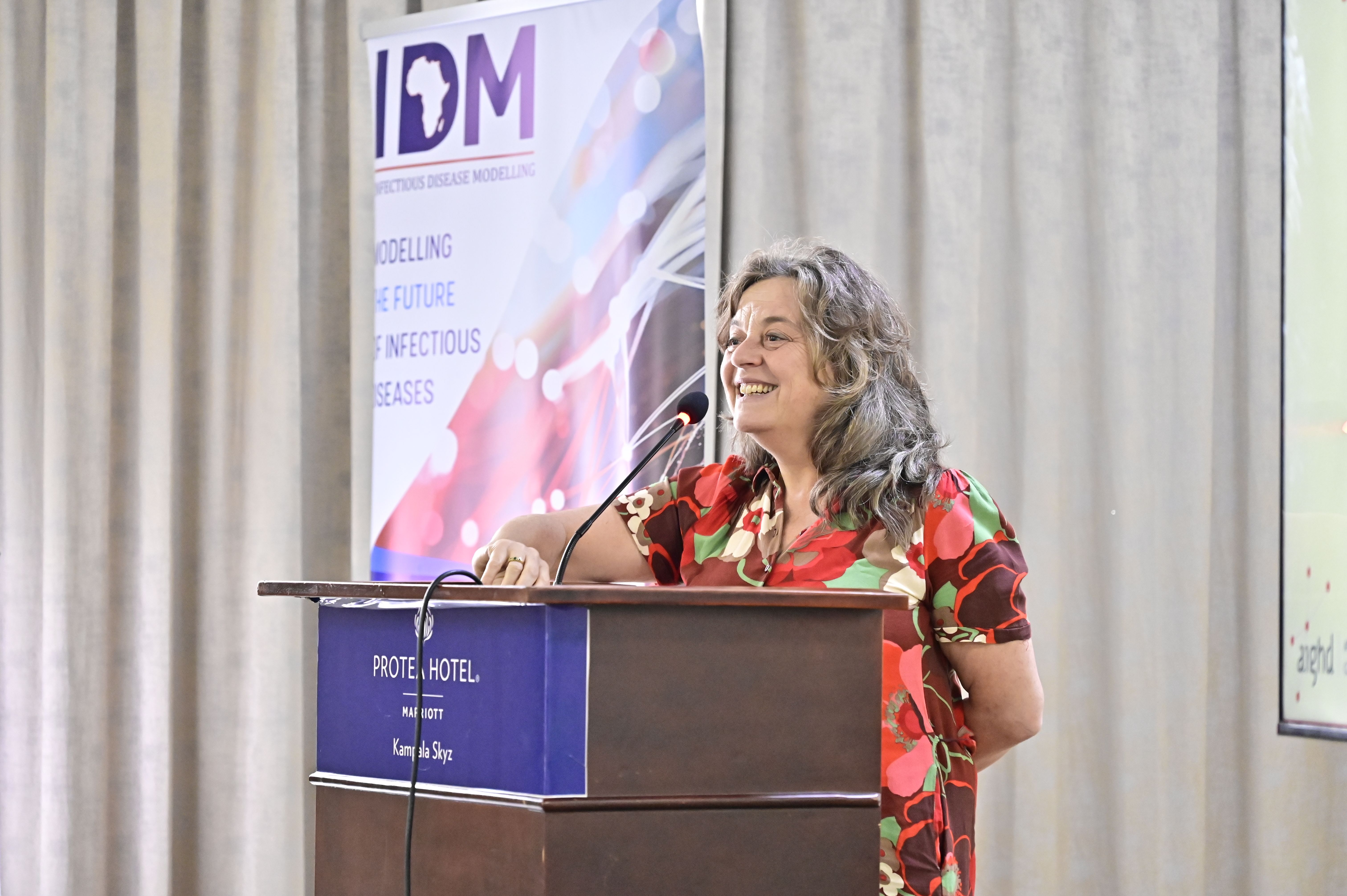
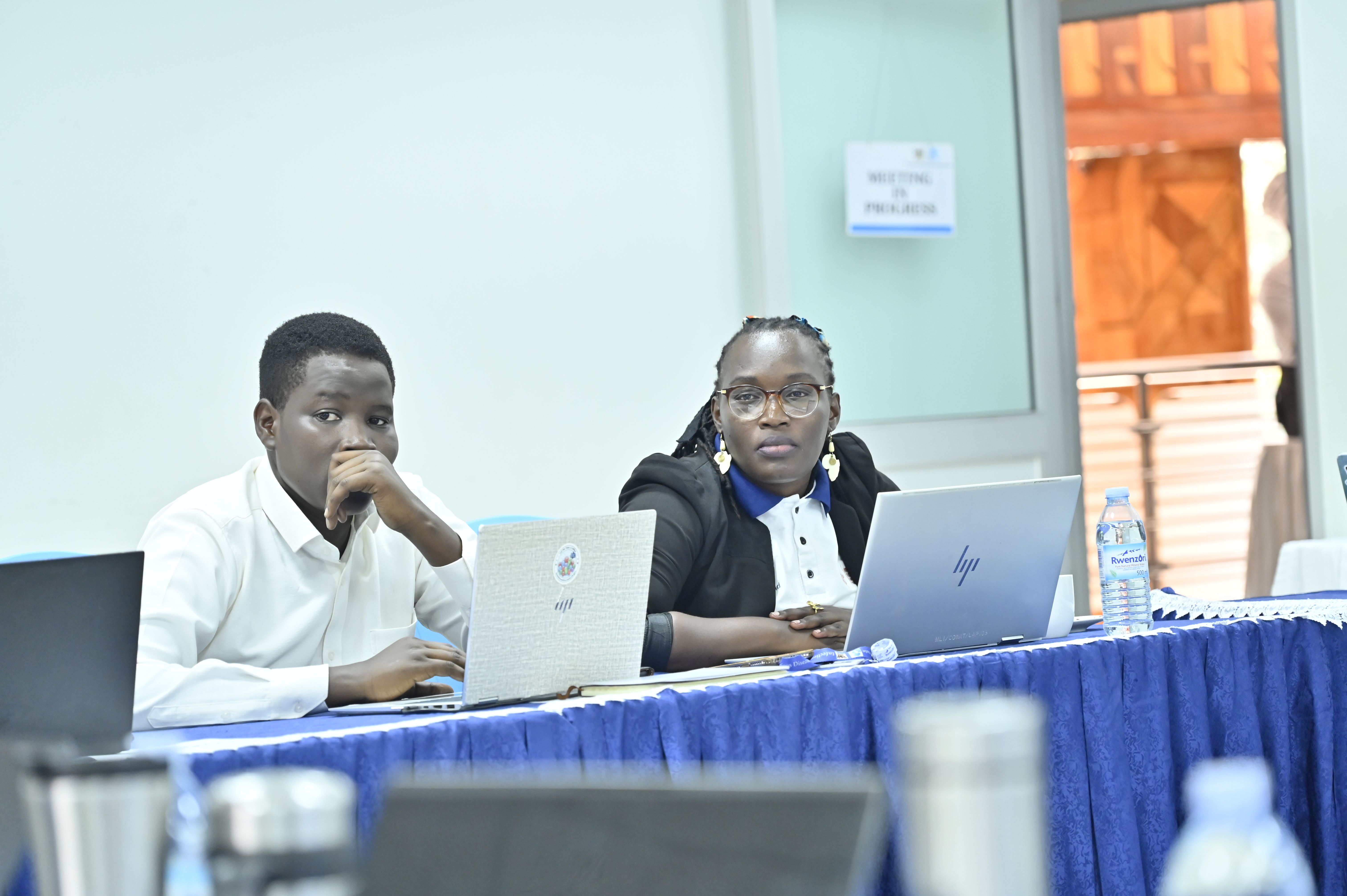
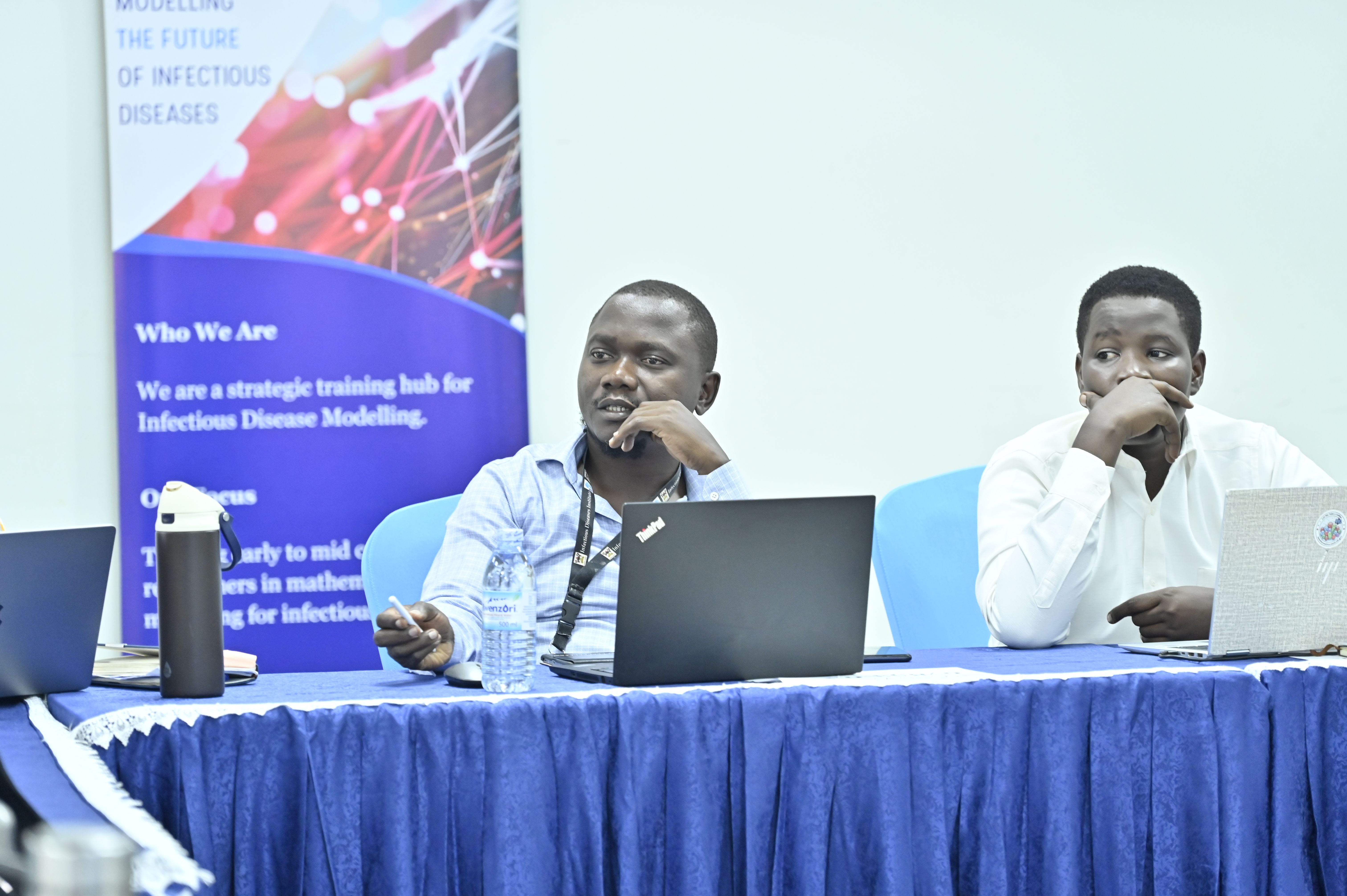
Kampala, Uganda – The Infectious Diseases Institute (IDI), through the African Center of Excellence in Bioinformatics & Data Intensive Sciences – Uganda (ACE-Uganda), has officially launched the IDM-Africa project, a five-year initiative to establish a Strategic Training Hub for Infectious Disease Modelling in Sub-Saharan Africa. The launch took place on 14 September 2026 at the Kampala Skyz Hotel, Naguru, bringing together partners, policymakers, and stakeholders from across the continent and beyond.
The two-day event, held on 14–15 September 2026, was a significant milestone in efforts to strengthen Africa's capacity to respond to infectious disease outbreaks through mathematical modelling.
Addressing a Critical Gap
Sub-Saharan Africa faces a critical shortage of infectious disease modelers. During outbreaks such as COVID-19, many countries in the region adopted strategies designed for high-income settings; approaches that were poorly matched to local health systems, population structures, and disease dynamics. Without trained personnel, countries struggle to generate accurate forecasts, design targeted interventions, and implement evidence-based policies.
IDM-Africa responds directly to this gap by building modelling capacity where outbreaks happen and routing outputs straight into policy.
The project is supported by Global Health EDCTP3 (Grant Agreement No. 101249031) and is coordinated by the European & Developing Countries Clinical Trials Partnership (EDCTP), with the Infectious Diseases Institute (IDI) serving as the Scientific Lead.
A Consortium of Partners
IDM-Africa brings together a consortium of African and European institutions committed to strengthening epidemic preparedness across the continent. The consortium includes:
EDCTP Association (Coordinator)
Infectious Diseases Institute (IDI) (Scientific Lead)
Faculté des Sciences et Techniques (FST)-USTTB, Mali
Amsterdam UMC (AIGHD)
Together with its training sites ACE-Uganda, FST-USTTB in Mali, and Amsterdam UMC; the consortium will train 47 researchers across sub-Saharan Africa over the next five years.
What the Project Will Deliver
By the end of the five-year programme, IDM-Africa aims to achieve the following:
35 researchers trained across five annual two-week workshops.
12 one-year fellowships with structured mentorship.
12 peer-reviewed manuscripts published in open-access journals.
12 policy briefs co-authored with policymakers.
Reach across at least 5 sub-Saharan African countries.
The project is structured into ten work packages, with IDI providing scientific leadership and coordination across the consortium. Each annual cycle follows a structured path: call and site selection, trainee and fellow selection, pre-workshop online training, a two-week onsite workshop, a one-month placement for fellows, and 11 months of mentorship; with evaluation findings feeding back to refine subsequent cohorts.
Honoring Partnerships and Commitment
The launch event was honored by the presence of partners, policymakers, and stakeholders, including representatives from the Ministry of Health. Their participation reaffirmed a shared commitment to strengthening Africa's epidemic preparedness through local expertise.
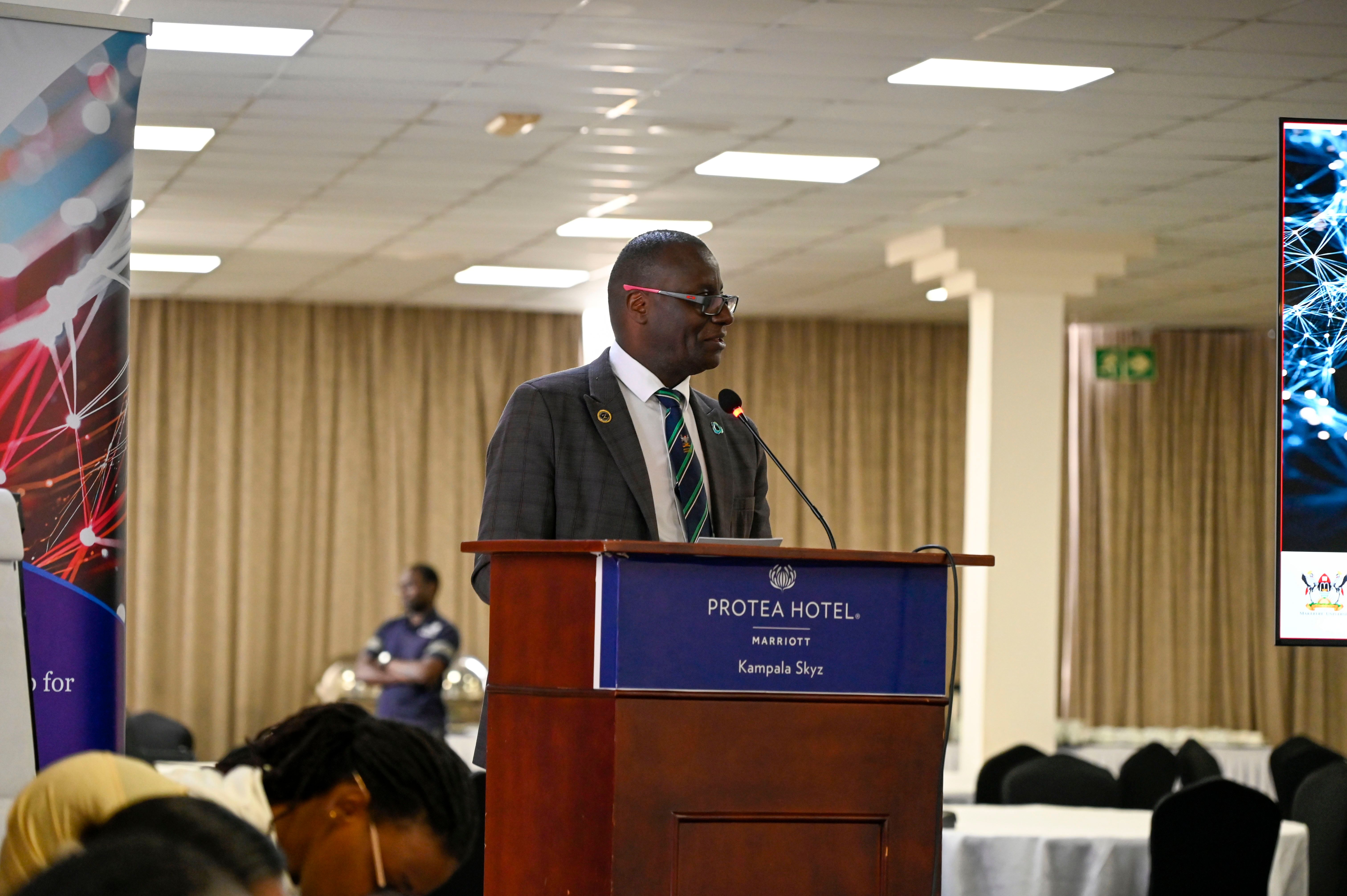
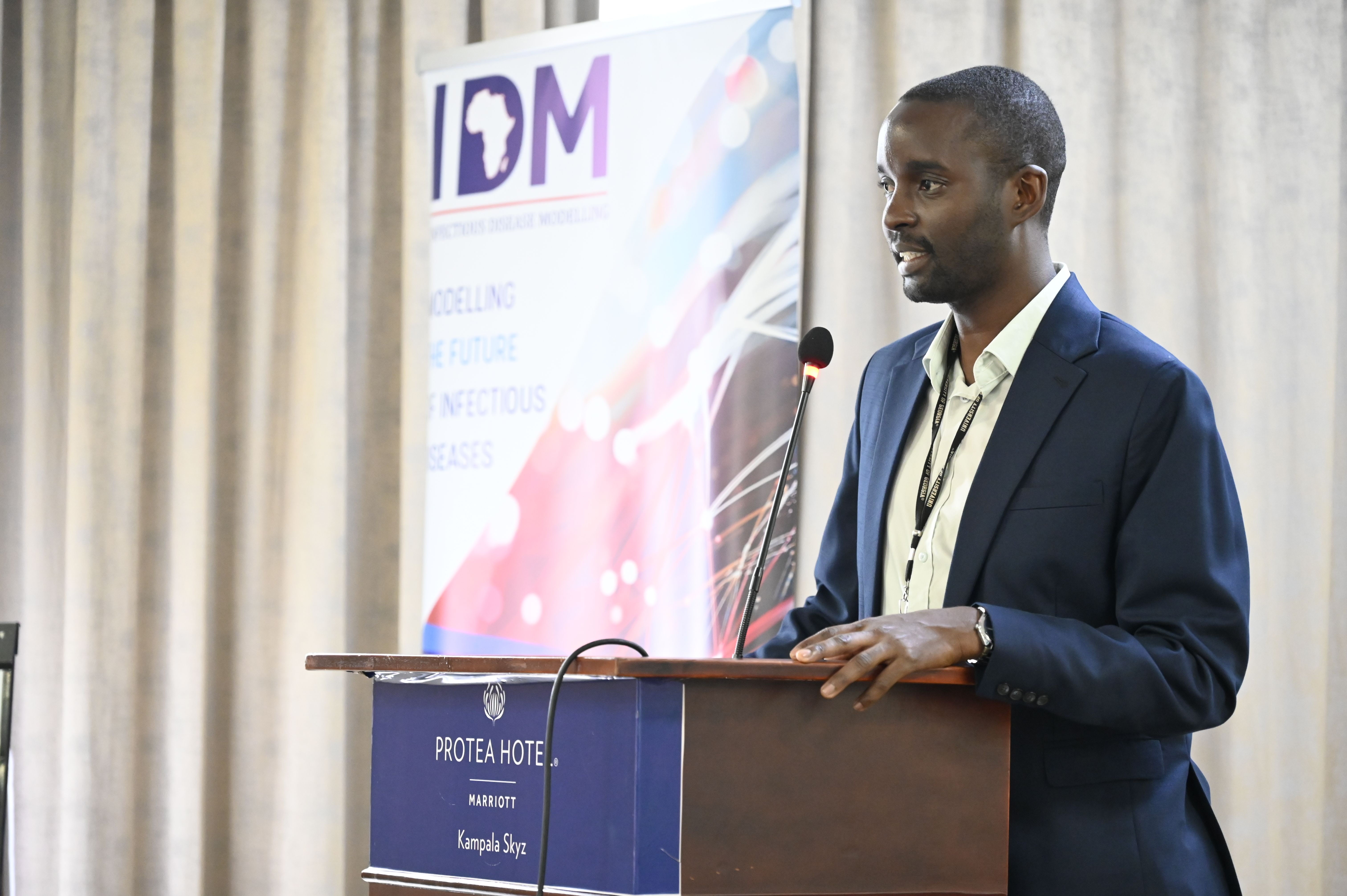
Speakers at the event included Dr. Andrew Kambugu, Executive Director of IDI; Dr. Ronald Galiwango, Scientific Project Lead for IDM-Africa; and Dr. Barbara Castelnuovo, who delivered a keynote on capacity building. Dr. Olaro Charles, representing the Ministry of Health, delivered remarks as the Chief Guest.
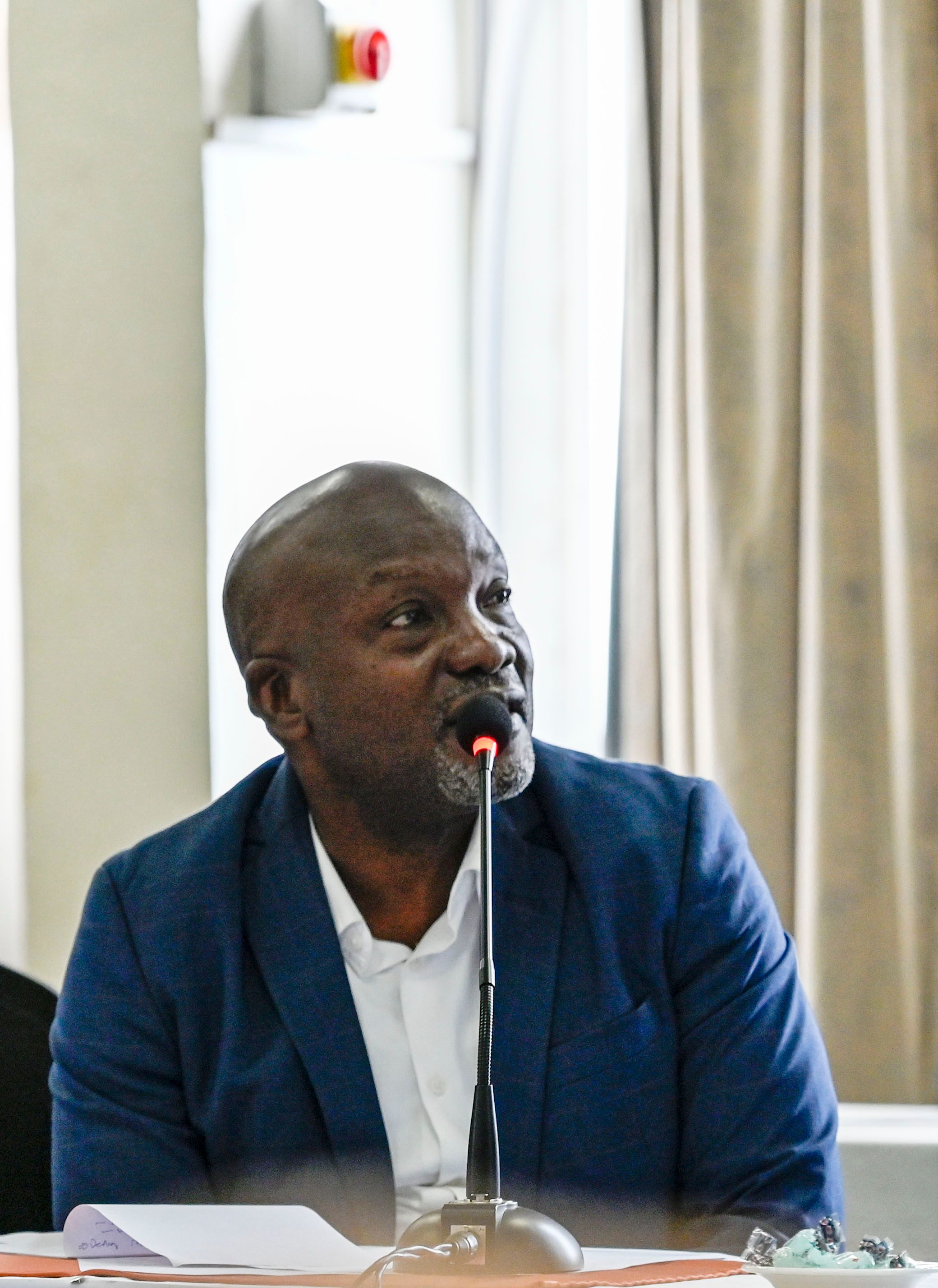
The event also featured a policy panel discussion moderated by Dr. Andrew Walakira, with contributions from the attendees.
As Africa's health challenges become increasingly data-intensive, the need for local modelling expertise has never been greater. IDM-Africa positions the continent to lead its own epidemic responses by generating the forecasts, interventions, and evidence needed to save lives.
The project officially began on 1 August 2026 and will run until 31 July 2031.
For more information about IDM-Africa, please contact the ACE-Uganda Communications Office at info@ace.ac.ug.
Photos

Elizabeth Basemera
Communications Assistant
Elizabeth Basemera is a Communications professional at the African Centre of Excellence (ACE) in Bioinformatics and Data-Intensive Sciences. Here, she leads strategic communications, digital engagement, and science storytelling to promote the Centre's research, training programmes, and partnerships. Her work focuses on making complex scientific research accessible to diverse audiences while strengthening ACE's visibility and impact across Africa. She is passionate about effective storytelling and how it can strengthen research impact, foster collaboration and inspire the next generation.