IDM-Africa Project Kicks Off to Strengthen Infectious Disease Modelling Across Sub-Saharan Africa

Elizabeth Basemera
Communications Assistant
By bringing together regional and international expertise, IDM-Africa represents an important investment in building the scientific capacity needed to ensure that the models shaping infectious disease responses are increasingly developed by researchers who understand the contexts in which those diseases emerge and spread.
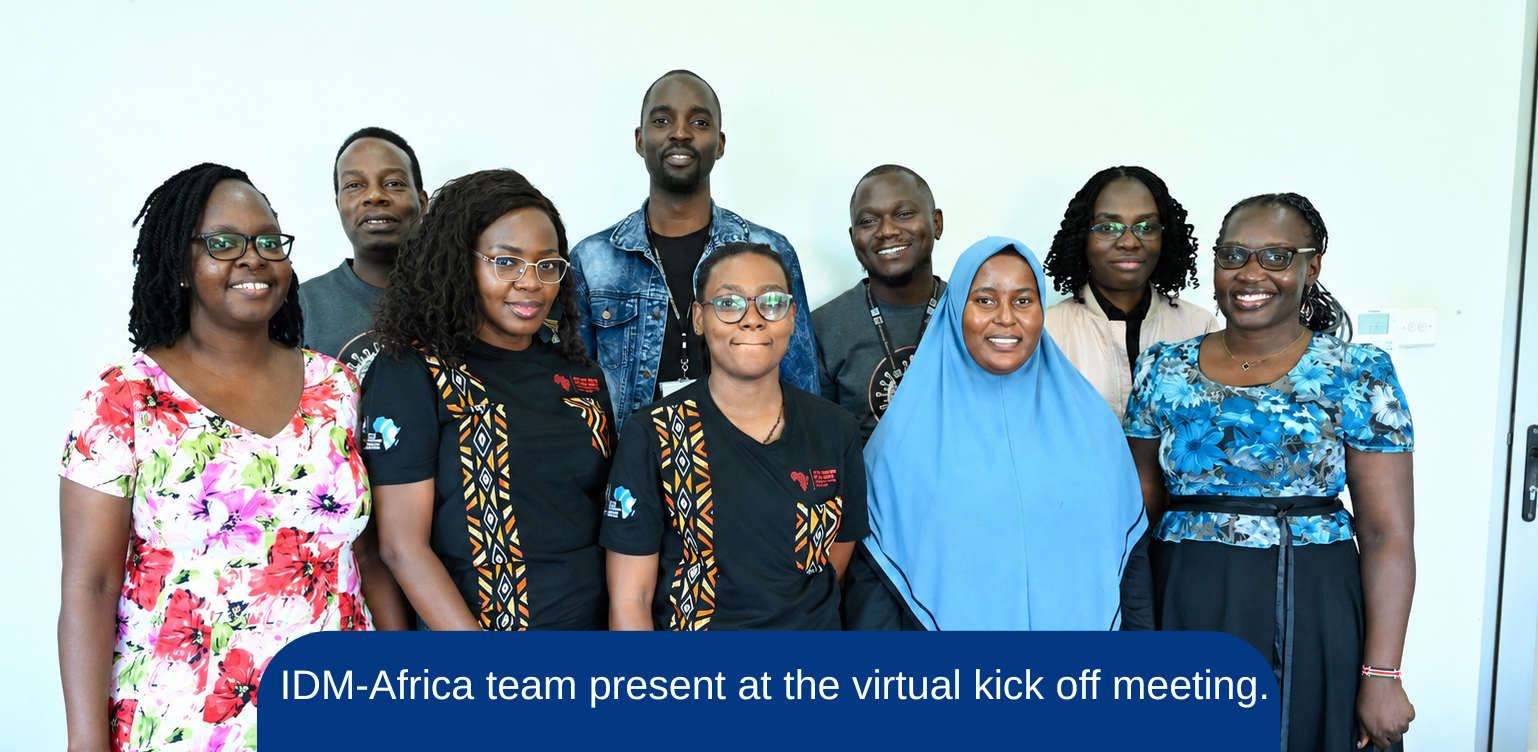
The Infectious Diseases Institute (IDI), through the African Center of Excellence in Bioinformatics and Data-Intensive Sciences (ACE-Uganda), convened a virtual kick-off meeting on 14th August 2026 to formally launch the IDM-Africa project; a five-year initiative to establish a Strategic Training Hub for Infectious Disease Modelling in Sub-Saharan Africa. The project, which officially began on 1 August 2026, is funded by the Global Health EDCTP3 programme (Grant Agreement No. 101249031) and coordinated by the EDCTP Association. The consortium brings together the Infectious Diseases Institute (IDI) as Scientific Lead, the South African Medical Research Council, AIGHD (Netherlands), and USTTB (Mali), with support from the Africa Centers for Disease Control and Prevention (Africa CDC).
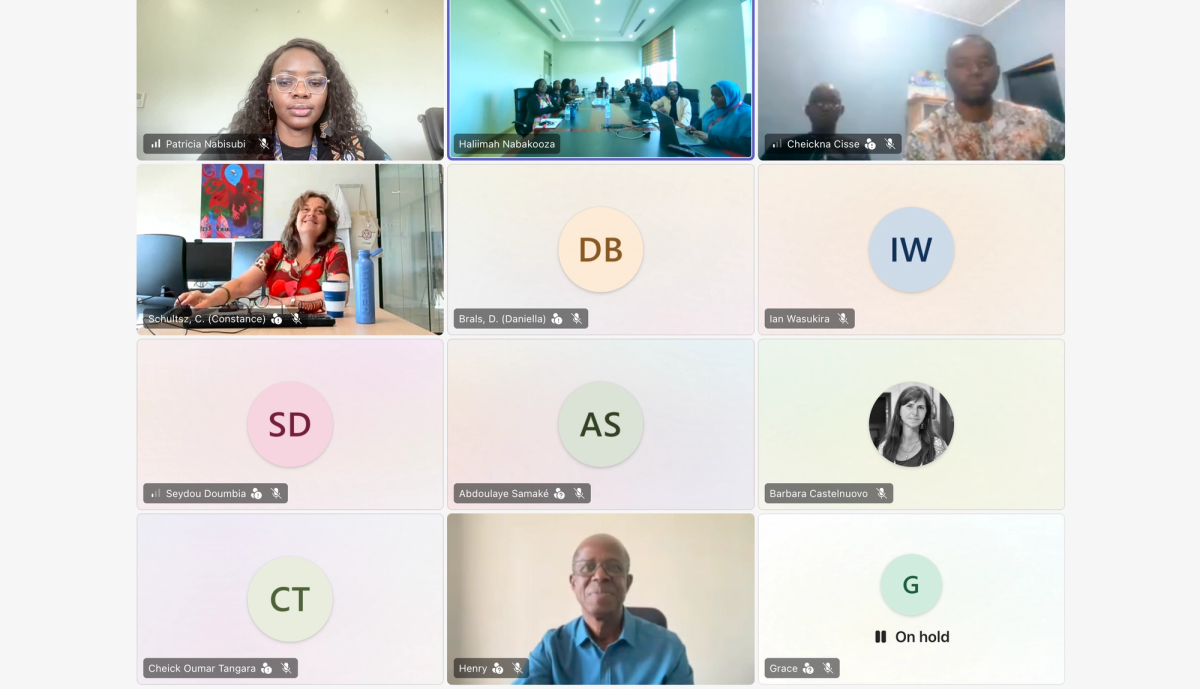
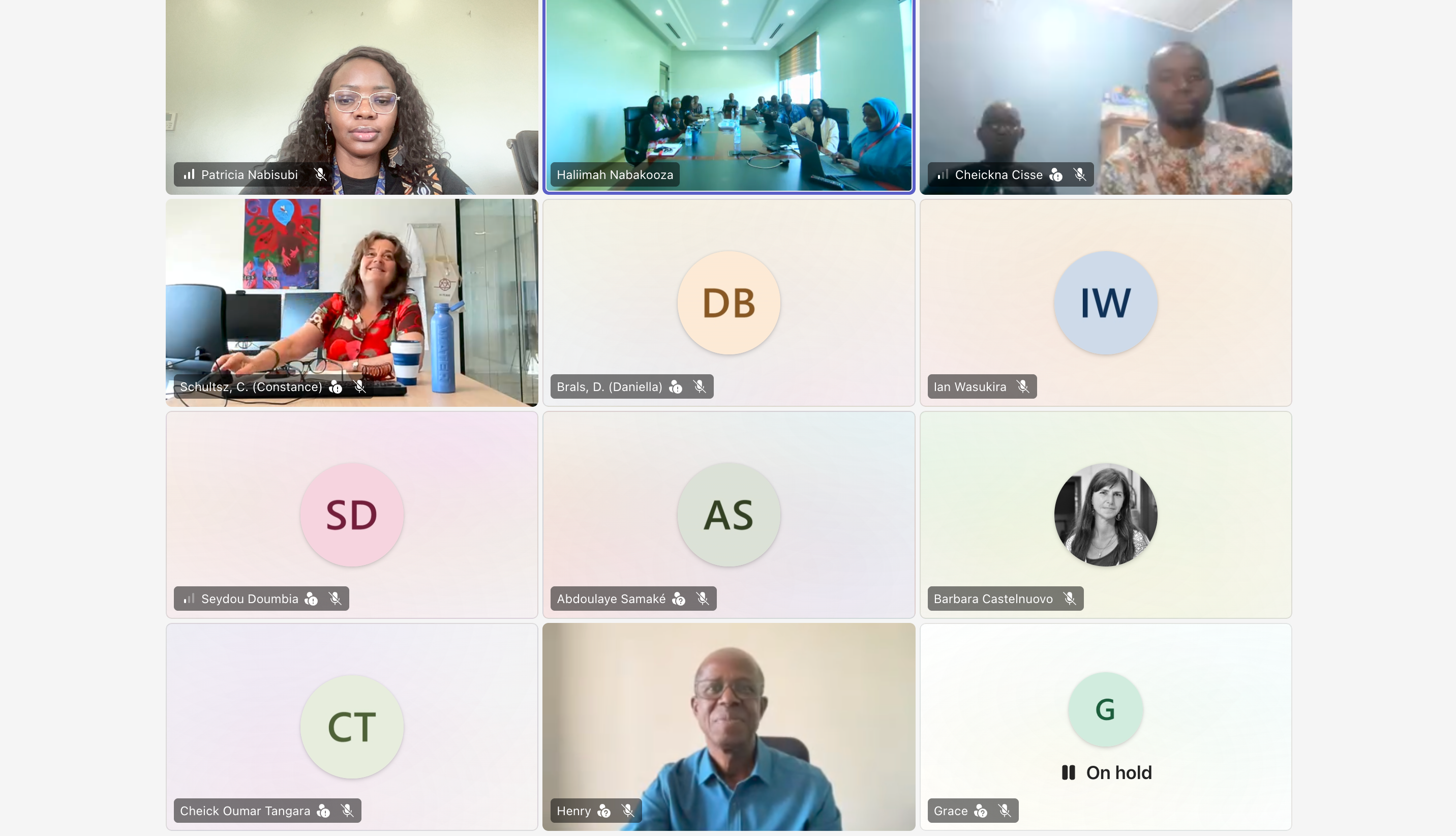
Members present at the virtual kick off of the IDM-Africa project.
Infectious disease modelling plays an increasingly important role in helping countries understand how diseases spread, forecast potential outbreaks, and assess which interventions are likely to have the greatest impact. Yet, Sub-Saharan Africa continues to face a significant shortage of trained infectious disease modellers.This gap became particularly evident during the COVID-19 pandemic, when many countries relied on models and response strategies developed for high-income settings. Such approaches do not always reflect Africa's diverse health systems, population structures, social contexts, or disease dynamics.As the region continues to face threats including Mpox, Ebola, Marburg, cholera and rising antimicrobial resistance (AMR), the need for locally grounded modelling expertise has become even more urgent.
IDM-Africa seeks to address this challenge by building a sustainable pipeline of African researchers equipped to generate modelling evidence that responds to local realities and informs public health decision-making. Over its five-year implementation period, the project aims to train 35 researchers through five annual two-week workshops and provide 12 one-year fellowships. The consortium also plans to produce 12 peer-reviewed open-access publications and co-author 12 policy briefs with policymakers.
The initiative is organized around ten work packages, with IDI providing scientific leadership and coordinating activities across the consortium. Each annual training cycle will follow a structured pathway, beginning with the selection of a host site, trainees and fellows. Participants will undertake pre-workshop online training before attending a two-week onsite workshop. Selected fellows will then complete a one-month placement followed by 11 months of mentorship. Evaluation and feedback will be incorporated throughout the process, allowing lessons from each cohort to inform and strengthen subsequent training cycles.
Preparations are now underway for the project's first year of implementation. Key priorities include appointing the Training Advisory Committee, selecting the first host institution, identifying the inaugural cohort of trainees and fellows, and developing the project's data management and communication plans.
The first pre-workshop training and onsite workshop are also scheduled as key Year 1 deliverables.
Plans for a physical project launch are still being finalized, with hybrid participation anticipated to enable members of the Training Advisory Committee and other stakeholders to take part remotely.
By bringing together regional and international expertise, IDM-Africa represents an important investment in building the scientific capacity needed to ensure that the models shaping infectious disease responses are increasingly developed by researchers who understand the contexts in which those diseases emerge and spread.
Photos

Elizabeth Basemera
Communications Assistant
Elizabeth Basemera is a Communications professional at the African Centre of Excellence (ACE) in Bioinformatics and Data-Intensive Sciences. Here, she leads strategic communications, digital engagement, and science storytelling to promote the Centre's research, training programmes, and partnerships. Her work focuses on making complex scientific research accessible to diverse audiences while strengthening ACE's visibility and impact across Africa. She is passionate about effective storytelling and how it can strengthen research impact, foster collaboration and inspire the next generation.