Can Existing Zaire Ebola Treatments Work Against the Bundibugyo Species?

Elizabeth Basemera
Communications Assistant
The 2026 Bundibugyo Ebola outbreak in the Democratic Republic of the Congo and Uganda has raised urgent questions about whether existing Ebola treatments can help. There are currently no approved treatments or vaccines specifically for the Bundibugyo strain.
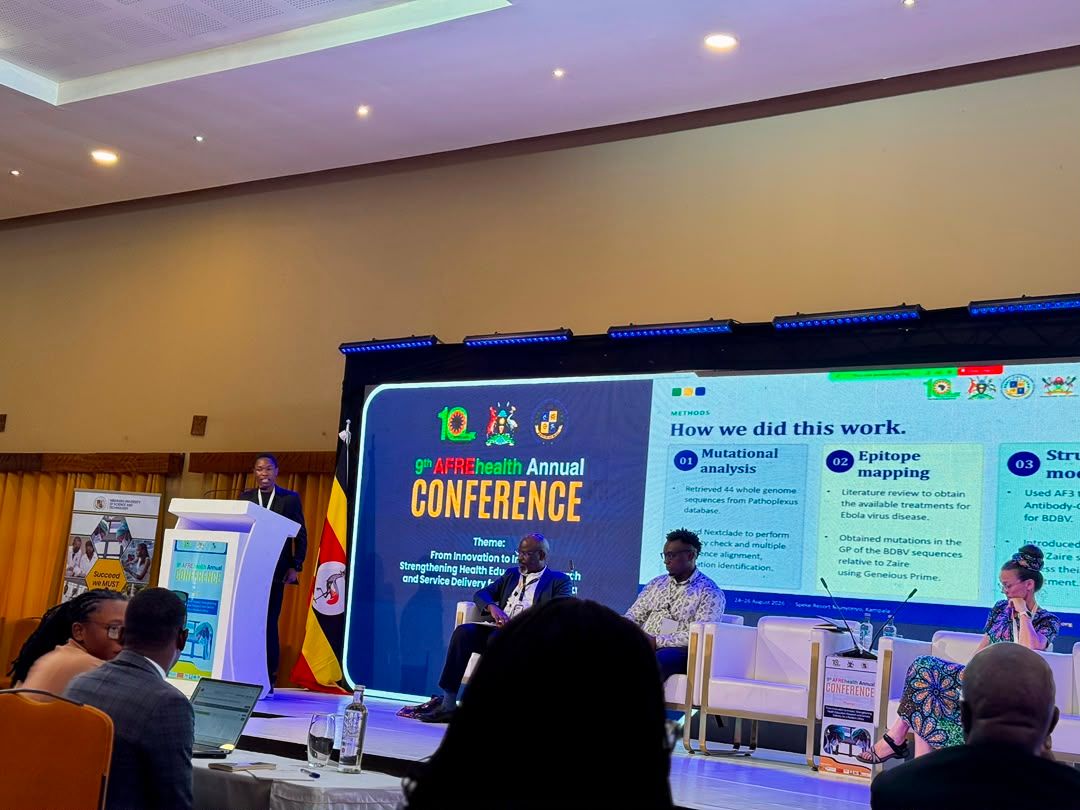
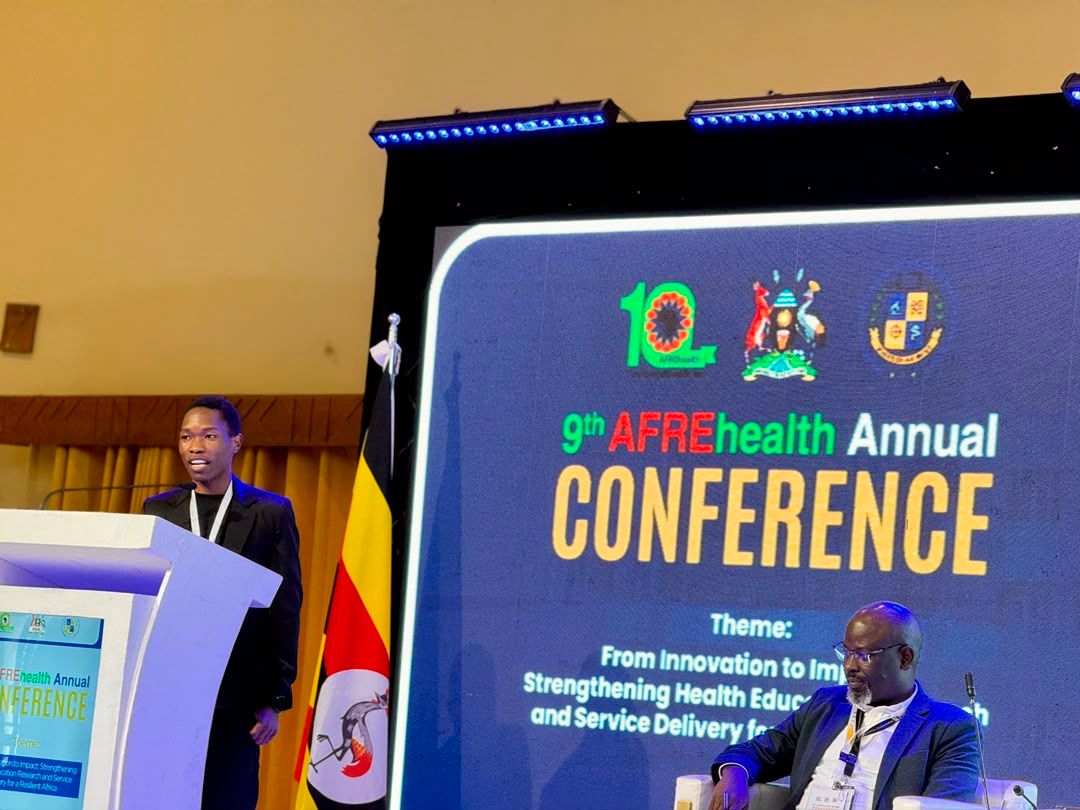
At the AFREHealth Conference 2026 (#AFREhealth_26), Syrus Semawule from the Infectious Diseases Institute (IDI)/ ACE-Uganda presented research investigating a critical question for outbreak response: can existing Ebola treatments developed for the Zaire strain also work against the Bundibugyo species?
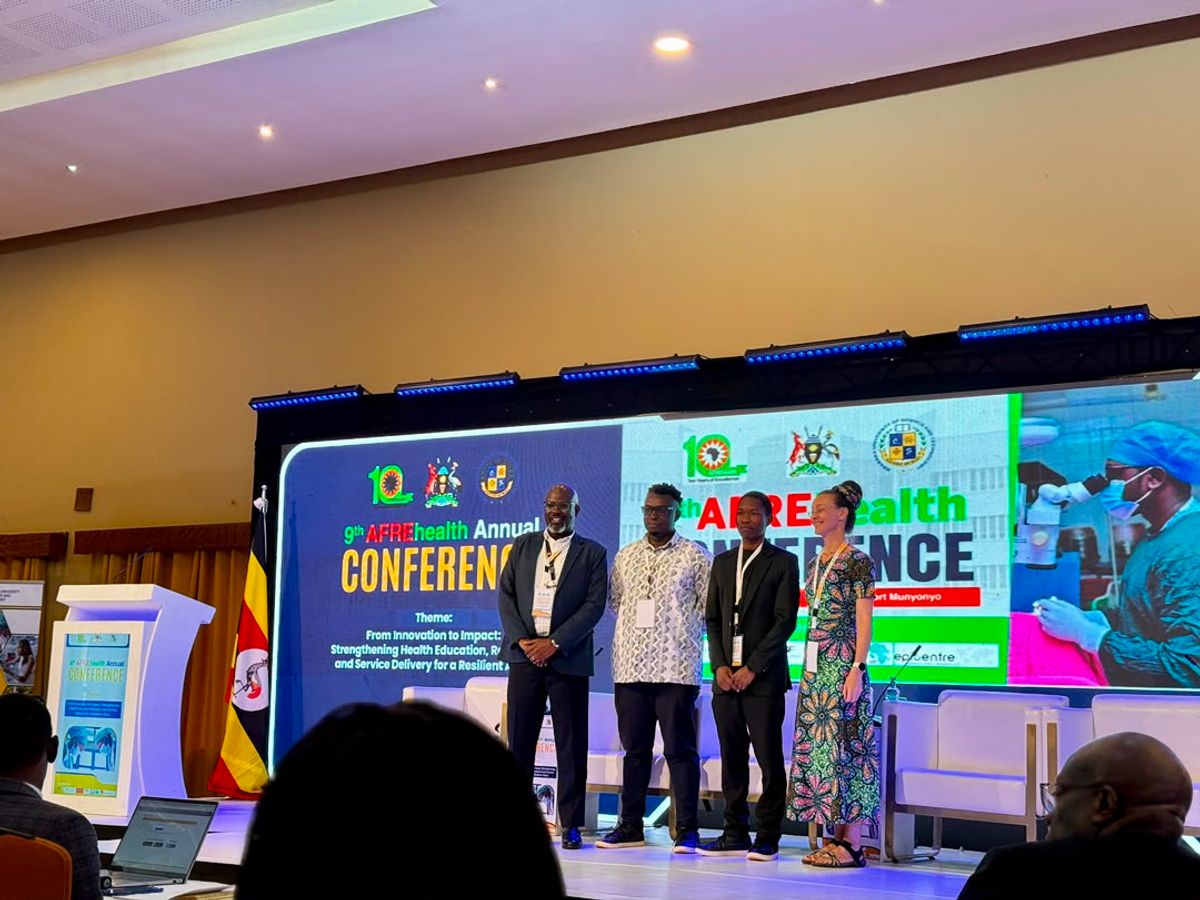
The 2026 Bundibugyo Ebola outbreak in the Democratic Republic of the Congo and Uganda has raised urgent questions about whether existing Ebola treatments can help. There are currently no approved treatments or vaccines specifically for the Bundibugyo strain.
To answer this question, the research team studied the genetic makeup and protein structures of 44 Bundibugyo virus samples, including 12 from the 2026 outbreak. They wanted to see whether the treatments currently used for the Zaire strain would be able to recognize and attach to the Bundibugyo virus; the way a key fits a lock.
The findings revealed a mixed picture. One treatment combination, called MBP134, appears to still recognize the Bundibugyo virus well, suggesting it could be effective. However, another treatment called mAb114 (Ebanga) may not work as well; genetic changes in the Bundibugyo virus mean the treatment has trouble attaching to its target, which could reduce its effectiveness.
For a third treatment called Inmazeb, the picture is more complex. When its individual components were tested separately, some struggled to attach to the virus. But when the full treatment cocktail was used together, it showed a stronger combined effect. This suggests that some treatments work better as a team than individual components.
These findings are important because they give scientists and health workers early guidance on which treatments might work during a Bundibugyo outbreak and which ones may need to be used differently or replaced. The research also highlights the need for laboratory testing to confirm these findings.
The work is considered for publication in Nature Communications and is currently available as a pre-print (DOI: 10.21203/rs.3.rs-10270397/v1).
This research exemplifies how science is directly contributing to global health security, providing critical early insights that can inform outbreak preparedness and save lives.
Photos

Elizabeth Basemera
Communications Assistant
Elizabeth Basemera is a Communications professional at the African Centre of Excellence (ACE) in Bioinformatics and Data-Intensive Sciences. Here, she leads strategic communications, digital engagement, and science storytelling to promote the Centre's research, training programmes, and partnerships. Her work focuses on making complex scientific research accessible to diverse audiences while strengthening ACE's visibility and impact across Africa. She is passionate about effective storytelling and how it can strengthen research impact, foster collaboration and inspire the next generation.